Quick Delicious Hollandaise Sauce

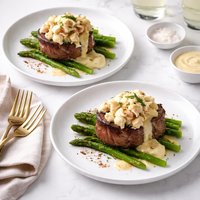
Ready in just 10 minutes, this Quick Delicious Hollandaise Sauce is the ultimate no-fuss recipe for a rich, velvety topping that elevates any meal. Using a high-speed blender, this foolproof method combines just five simple ingredients—egg yolks, melted butter, fresh lemon juice, salt, and an optional hint of cayenne pepper—for a perfectly creamy and tangy sauce every time. Ideal for drizzling over poached eggs in an indulgent eggs Benedict, roasted asparagus, or flaky salmon, this recipe delivers gourmet results with minimal effort. Whether you're hosting brunch or enhancing a weeknight dinner, this classic Hollandaise is sure to impress!
Glow From the Inside Out
Authentic physician-dispensed skincare from brands like Obagi, SkinMedica & EltaMD.
Trusted by dermatologists, loved by your skin






Recipe Information
Ingredients
- 3 large Egg yolks
- 1 cup Unsalted butter
- 2 tablespoons Fresh lemon juice
- 0.25 teaspoons Salt
- 1 pinch Cayenne pepper (optional)
Instructions
Melt the butter in a small saucepan over medium heat until it's fully melted and bubbling but not browned. Remove from heat and set aside.
Add the egg yolks, lemon juice, and salt to a high-speed blender. Blend on low speed for about 10 seconds, or until the mixture becomes pale and slightly frothy.
With the blender running on low speed, slowly drizzle the hot melted butter into the egg yolk mixture. Start with a very thin stream to allow the mixture to emulsify, then gradually increase the flow once it's blended.
Once all the butter has been incorporated, the sauce should be creamy and slightly thickened. Taste and adjust the seasoning with a pinch of cayenne pepper or more salt if desired.
Serve the Hollandaise sauce immediately over your favorite dish. If needed, keep it warm by placing the blender jar in a bowl of warm water (not hot) until ready to use.
Nutrition Facts
Calories |
468 | ||
|---|---|---|---|
% Daily Value* |
|||
| Total Fat | 51.4 g | 66% | |
| Saturated Fat | 31.6 g | 158% | |
| Polyunsaturated Fat | 0.0 g | ||
| Cholesterol | 267 mg | 89% | |
| Sodium | 131 mg | 6% | |
| Total Carbohydrate | 1.0 g | 0% | |
| Dietary Fiber | 0.0 g | 0% | |
| Total Sugars | 0.3 g | ||
| Protein | 2.6 g | 5% | |
| Vitamin D | 1.1 mcg | 5% | |
| Calcium | 30 mg | 2% | |
| Iron | 0.3 mg | 2% | |
| Potassium | 36 mg | 1% | |
*The % Daily Value tells you how much a nutrient in a serving of food contributes to a daily diet. 2,000 calories a day is used for general nutrition advice.



