Pineapple Iced Tea

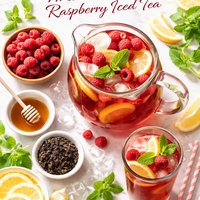
Quench your thirst with this invigorating Pineapple Iced Tea, a tropical twist on a classic beverage that's perfect for warm days or casual gatherings. This recipe blends the robust flavor of black tea with the natural sweetness of pineapple juice, balanced by just the right touch of sugar. Garnished with fresh pineapple chunks and aromatic mint leaves, it delivers a refreshing sip that's as beautiful as it is delicious. Quick to prepare in just 15 minutes, this Pineapple Iced Tea is a delightful fusion of bold and fruity flavors, served chilled over ice for ultimate refreshment. Whether you're hosting a summer barbecue, lounging poolside, or simply enjoying a quiet afternoon, this easy-to-make drink will be your go-to for satisfying tropical vibes.

Smart Nutrition Tracking with SnapCalorie

Explore More





Recipe Information
Ingredients
- 4 cups Water
- 3 pieces Black tea bags
- 1.5 cups Pineapple juice
- 0.25 cup Granulated sugar
- 0.5 cup Fresh pineapple chunks (optional, for garnish)
- 2 cups Ice cubes
- 5 leaves Fresh mint leaves (optional, for garnish)
Instructions
Bring 4 cups of water to a boil in a medium-sized pot.
Remove the pot from heat and add 3 black tea bags. Let the tea steep for 5 minutes to ensure a strong brew.
Remove the tea bags and stir in 1/4 cup granulated sugar while the tea is still warm, mixing until the sugar dissolves completely.
Allow the sweetened tea to cool to room temperature, or place it in the refrigerator for quicker cooling.
Once the tea is cool, pour it into a large pitcher and add 1.5 cups of pineapple juice. Stir to combine.
Fill serving glasses with ice cubes and pour the pineapple iced tea over the ice.
Optional: Garnish with fresh pineapple chunks and mint leaves before serving for a decorative and flavorful touch.
Serve immediately and enjoy your refreshing Pineapple Iced Tea!
Nutrition Facts
Calories |
115 | ||
|---|---|---|---|
% Daily Value* |
|||
| Total Fat | 0.0 g | 0% | |
| Saturated Fat | 0.0 g | 0% | |
| Polyunsaturated Fat | 0.0 g | ||
| Cholesterol | 0 mg | 0% | |
| Sodium | 10 mg | 0% | |
| Total Carbohydrate | 29.0 g | 11% | |
| Dietary Fiber | 0.5 g | 2% | |
| Total Sugars | 28.1 g | ||
| Protein | 0.0 g | 0% | |
| Vitamin D | 0.0 mcg | 0% | |
| Calcium | 38 mg | 3% | |
| Iron | 0.0 mg | 0% | |
| Potassium | 118 mg | 3% | |
*The % Daily Value tells you how much a nutrient in a serving of food contributes to a daily diet. 2,000 calories a day is used for general nutrition advice.


