Pearsauce Not Applesauce
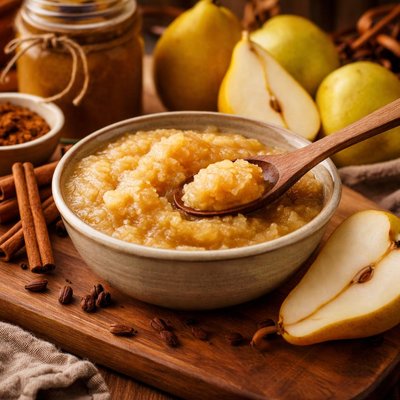
Elevate your homemade fruit sauce game with this delightful 'Pearsauce Not Applesauce' recipe, a flavorful twist on a classic favorite! Made from perfectly ripe pears, this easy, 5-ingredient recipe combines the natural sweetness of pears with hints of warm cinnamon, aromatic nutmeg, and a splash of zesty lemon juice. Ready in just 35 minutes, this pearsauce makes a versatile treat—serve it warm as a comforting dessert, chilled for a refreshing snack, or as a unique side dish for savory meals. With an optional touch of honey for added sweetness, it’s a wholesome, customizable alternative to traditional applesauce. Perfect for fall or anytime you crave a simple, fruity delight, this recipe is a must-try!
Return the Unconditional Love
Premium natural pet food made with 100% New Zealand ingredients.
Wholesome nutrition for your furry family
Recipe Information
Ingredients
- 6 medium-sized ripe pears
- 0.5 cup water
- 1 tablespoon lemon juice
- 0.5 teaspoon cinnamon
- 0.25 teaspoon nutmeg
- 1 tablespoon honey (optional)
Instructions
Peel, core, and chop the pears into small chunks.
In a medium-sized saucepan, combine the chopped pears, water, lemon juice, cinnamon, and nutmeg.
Place the saucepan over medium heat and bring the mixture to a simmer, stirring occasionally.
Once simmering, lower the heat to medium-low, cover the saucepan, and let the pears cook for 20-25 minutes, or until they are very soft and can be easily mashed with a fork.
If using honey, stir it into the mixture at this point and taste for sweetness. Adjust as needed.
Remove the saucepan from heat and use an immersion blender to puree the pearsauce to your desired consistency. For chunkier pearsauce, simply mash the pears with a fork or potato masher.
Allow the pearsauce to cool slightly before serving warm, or let it fully cool and store in an airtight container in the refrigerator for up to 5 days.
Nutrition Facts
Calories |
170 | ||
|---|---|---|---|
% Daily Value* |
|||
| Total Fat | 0.6 g | 1% | |
| Saturated Fat | 0.3 g | 2% | |
| Polyunsaturated Fat | 0.0 g | ||
| Cholesterol | 0 mg | 0% | |
| Sodium | 5 mg | 0% | |
| Total Carbohydrate | 45.4 g | 16% | |
| Dietary Fiber | 9.2 g | 33% | |
| Total Sugars | 30.0 g | ||
| Protein | 0.9 g | 2% | |
| Vitamin D | 0.0 mcg | 0% | |
| Calcium | 31 mg | 2% | |
| Iron | 0.6 mg | 3% | |
| Potassium | 317 mg | 7% | |
*The % Daily Value tells you how much a nutrient in a serving of food contributes to a daily diet. 2,000 calories a day is used for general nutrition advice.



