Peanut Butter Fudge
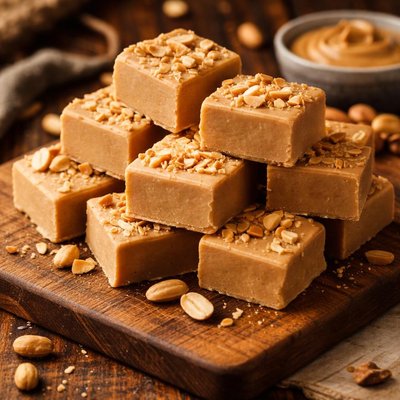
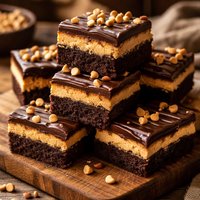
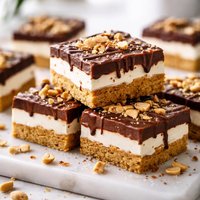
Indulge in the rich, creamy decadence of homemade Peanut Butter Fudge, a no-bake treat that comes together in just 15 minutes! This classic dessert combines the irresistible flavor of creamy peanut butter with a touch of vanilla for a perfectly smooth and velvety texture. Sweetened with powdered sugar and set into easy-to-cut squares, this simple recipe requires only four pantry staples, making it as convenient as it is delightful. Perfect for gifting, holiday platters, or satisfying your own sweet tooth, this quick and easy Peanut Butter Fudge is sure to become a household favorite. No candy thermometer required—just melt, mix, chill, and enjoy!

Smart Nutrition Tracking with SnapCalorie


Recipe Information
Ingredients
- 0.5 cup unsalted butter
- 1 cup creamy peanut butter
- 1.5 teaspoons vanilla extract
- 3 cups powdered sugar
Instructions
Line an 8x8-inch baking pan with parchment paper, leaving some overhang for easy removal, and set it aside.
In a medium-sized saucepan over medium heat, melt the unsalted butter.
Add the peanut butter to the melted butter and stir until the mixture is smooth and fully combined, about 1-2 minutes.
Remove the saucepan from heat and stir in the vanilla extract.
Gradually add the powdered sugar, one cup at a time, stirring well after each addition until the mixture forms a thick and smooth fudge batter.
Press the fudge mixture evenly into the prepared baking pan, smoothing the top with a spatula.
Refrigerate for at least 2 hours, or until the fudge is firm and set.
Once set, lift the fudge out of the pan using the parchment overhang. Cut into 16 squares or desired serving sizes.
Serve immediately or store in an airtight container in the refrigerator for up to one week.
Nutrition Facts
Calories |
233 | ||
|---|---|---|---|
% Daily Value* |
|||
| Total Fat | 13.5 g | 17% | |
| Saturated Fat | 5.2 g | 26% | |
| Polyunsaturated Fat | 0.0 g | ||
| Cholesterol | 16 mg | 5% | |
| Sodium | 66 mg | 3% | |
| Total Carbohydrate | 25.8 g | 9% | |
| Dietary Fiber | 1.0 g | 3% | |
| Total Sugars | 23.9 g | ||
| Protein | 3.8 g | 8% | |
| Vitamin D | 0.1 mcg | 0% | |
| Calcium | 11 mg | 1% | |
| Iron | 0.3 mg | 2% | |
| Potassium | 98 mg | 2% | |
*The % Daily Value tells you how much a nutrient in a serving of food contributes to a daily diet. 2,000 calories a day is used for general nutrition advice.


