Paska
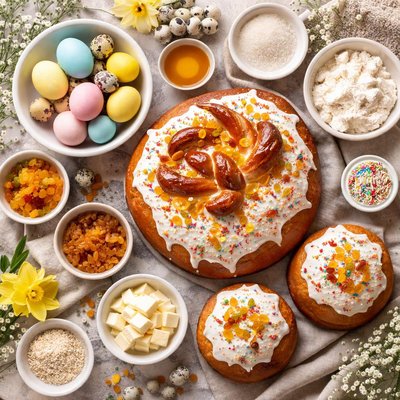
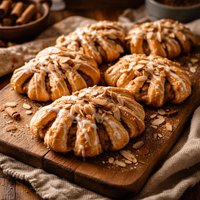
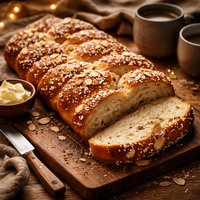
Delight in the tradition and rich symbolism of Paska, a classic Easter bread celebrated for its soft, airy texture and subtly sweet flavor. Made with simple pantry ingredients like milk, eggs, and yeast, this enriched bread is elevated by the optional addition of sweet raisins and a touch of vanilla extract. The dough is beautifully shaped—often adorned with intricate braids or crosses—and baked to golden perfection, creating a stunning centerpiece for your holiday table. Whether served plain or paired with sweet butter or jam, Paska is the perfect way to celebrate spring and cherish time-honored culinary customs. With a bit of patience during its rise time, this homemade bread is well worth the effort, yielding a crowd-pleasing delight that’s as visually impressive as it is delicious.

Smart Nutrition Tracking with SnapCalorie


Recipe Information
Ingredients
- 1 cup whole milk
- 1 stick unsalted butter
- 0.5 cup granulated sugar
- 2.25 teaspoons active dry yeast
- 0.25 cup warm water
- 3 large eggs
- 2 egg yolks
- 1 teaspoon salt
- 4.5 cups all-purpose flour
- 0.5 cup raisins (optional)
- 1 teaspoon vanilla extract
- 1 egg (for egg wash)
- 1 tablespoon water (for egg wash)
Instructions
In a small saucepan over medium heat, warm the milk. Add the butter and sugar and stir until the butter has melted and the sugar has dissolved. Let this mixture cool to lukewarm temperature.
In a small bowl, dissolve the active dry yeast in the warm water. Let it sit for about 10 minutes until frothy.
In a large mixing bowl, whisk together the eggs, egg yolks, and salt. Add the lukewarm milk mixture, vanilla extract, and the yeast mixture. Stir until combined.
Gradually add the flour, 1 cup at a time, stirring with a wooden spoon or using a stand mixer with a dough hook attachment. Knead the dough until it is soft and slightly sticky, about 10 minutes. If using raisins, fold them into the dough during the kneading process.
Place the dough in a lightly greased bowl and cover it with a clean kitchen towel. Let it rise in a warm, draft-free environment for about 1.5 to 2 hours, or until it has doubled in size.
Punch down the dough and transfer it to a floured surface. Reserve a small portion of dough if you’d like to create decorative designs (e.g., braids or crosses) for the topping.
Shape the main dough into a round and place it into a greased 9-inch round pan or traditional Paska mold. If using decorative dough, create your designs and place them on top of the bread.
Cover the dough again with a towel and let it rise for another 30 to 40 minutes, or until the dough has doubled in size.
Preheat your oven to 350°F (175°C). Prepare an egg wash by whisking together the egg and water. Gently brush the top of the dough (including the decorative pieces) with the egg wash.
Bake the Paska in the preheated oven for 35 to 40 minutes, or until the bread is golden brown and sounds hollow when tapped on the bottom.
Remove the bread from the pan and allow it to cool on a wire rack before slicing and serving.
Nutrition Facts
Calories |
409 | ||
|---|---|---|---|
% Daily Value* |
|||
| Total Fat | 13.5 g | 17% | |
| Saturated Fat | 7.3 g | 37% | |
| Polyunsaturated Fat | 0.0 g | ||
| Cholesterol | 138 mg | 46% | |
| Sodium | 238 mg | 10% | |
| Total Carbohydrate | 61.4 g | 22% | |
| Dietary Fiber | 2.0 g | 7% | |
| Total Sugars | 16.8 g | ||
| Protein | 10.1 g | 20% | |
| Vitamin D | 0.9 mcg | 5% | |
| Calcium | 58 mg | 4% | |
| Iron | 2.7 mg | 15% | |
| Potassium | 189 mg | 4% | |
*The % Daily Value tells you how much a nutrient in a serving of food contributes to a daily diet. 2,000 calories a day is used for general nutrition advice.


