Paleo Shirataki Noodles with Soy Sauce and Chili Oil
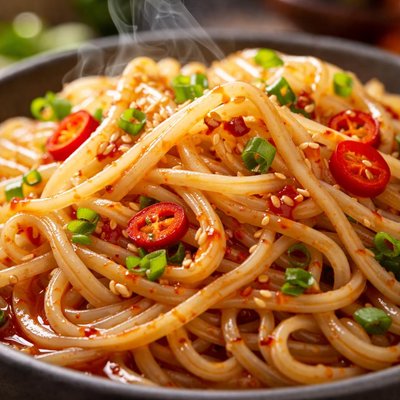
Indulge in a flavorful, low-carb delight with this Paleo Shirataki Noodles recipe featuring a rich medley of coconut aminos, spicy chili oil, and aromatic garlic. Perfect for those seeking a quick and healthy alternative to traditional noodles, this dish is gluten-free, grain-free, and packed with umami flavor. The shirataki noodles soak up the savory sauce, while a drizzle of sesame oil, a sprinkle of sesame seeds, and fresh green onions add layers of texture and taste. Ready in just 20 minutes, this easy weeknight meal delivers a perfect harmony of spice and sweetness, with optional red pepper flakes for an extra kick. Whether served as a light main course or a side dish, this recipe is bound to become a favorite for anyone embracing a paleo lifestyle or looking for a delicious, guilt-free comfort food option.

Smart Nutrition Tracking with SnapCalorie

Explore More
Recipe Information
Ingredients
- 200 grams shirataki noodles
- 3 tablespoons coconut aminos (soy sauce substitute)
- 1 tablespoon chili oil
- 2 cloves garlic, minced
- 1 teaspoon sesame oil
- 2 stalks green onions, sliced
- 1 teaspoon sesame seeds
- 0.5 teaspoon red pepper flakes (optional)
Instructions
Rinse the shirataki noodles well under cold water to remove any odor from the packaging. Drain thoroughly.
In a small saucepan, heat the sesame oil over medium heat. Add the minced garlic and sauté until it is fragrant and lightly golden, about 1-2 minutes.
Add the coconut aminos and chili oil to the saucepan, stirring to combine with the garlic. Allow the mixture to simmer for 2-3 minutes to let the flavors meld together.
Toss the drained shirataki noodles into the saucepan, coating them evenly with the sauce. Heat for another 3-4 minutes until the noodles are heated through.
Transfer the noodles to a serving dish and garnish with sliced green onions, sesame seeds, and a sprinkle of red pepper flakes if desired.
Serve hot as a main dish or as a side.
Nutrition Facts
Calories |
168 | ||
|---|---|---|---|
% Daily Value* |
|||
| Total Fat | 14.4 g | 18% | |
| Saturated Fat | 2.0 g | 10% | |
| Polyunsaturated Fat | 3.3 g | ||
| Cholesterol | 0 mg | 0% | |
| Sodium | 409 mg | 18% | |
| Total Carbohydrate | 10.0 g | 4% | |
| Dietary Fiber | 2.8 g | 10% | |
| Total Sugars | 5.0 g | ||
| Protein | 0.8 g | 2% | |
| Vitamin D | 0.0 mcg | 0% | |
| Calcium | 36 mg | 3% | |
| Iron | 0.6 mg | 3% | |
| Potassium | 61 mg | 1% | |
*The % Daily Value tells you how much a nutrient in a serving of food contributes to a daily diet. 2,000 calories a day is used for general nutrition advice.


