Paleo Orange Ginger Slaw
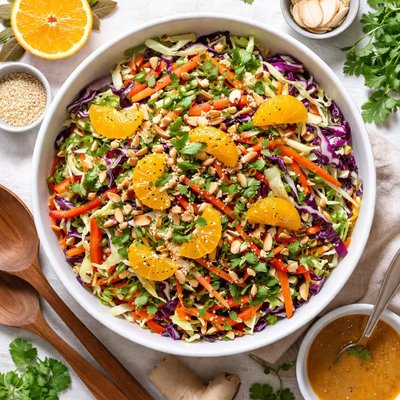
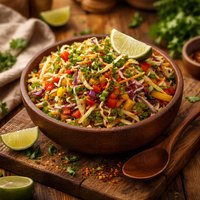
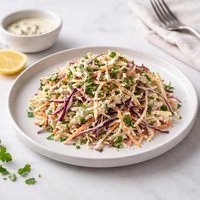
Bright, refreshing, and packed with a zesty kick, Paleo Orange Ginger Slaw is a vibrant twist on classic coleslaw that’s bursting with flavor and nutrition. This gluten-free, dairy-free recipe combines crisp green and red cabbage, sweet julienned carrots, and fragrant fresh cilantro, all tossed in a tangy citrus-ginger dressing made with fresh orange and lime juice, apple cider vinegar, and a touch of honey. Perfect for paleo enthusiasts and anyone seeking a healthy side dish, this slaw is quick to prepare in just 20 minutes and pairs beautifully with grilled proteins, barbecue, or as a light lunch. Whether served immediately for crunch or chilled for deeper flavor, this colorful dish is sure to add a refreshing note to any meal.

Smart Nutrition Tracking with SnapCalorie

Explore More
Recipe Information
Ingredients
- 4 cups green cabbage
- 2 cups red cabbage
- 2 large carrots
- 1 tablespoon fresh ginger
- 1 cup fresh cilantro
- 1 large orange
- 1 medium lime
- 2 tablespoons olive oil
- 1 tablespoon apple cider vinegar
- 1 tablespoon honey
- 0.5 teaspoon salt
- 0.25 teaspoon black pepper
Instructions
Start by prepping the vegetables. Finely shred the green cabbage and red cabbage and place them into a large mixing bowl.
Peel and julienne the carrots, adding them to the bowl with the cabbage.
Grate the fresh ginger and add it to the vegetable mix.
Chop the fresh cilantro and mix it into the slaw.
Zest the orange and set aside the zest. Juice the orange and lime into a small bowl.
In the same bowl, add the olive oil, apple cider vinegar, honey, salt, and black pepper. Whisk these ingredients together to form a smooth dressing.
Pour the dressing over the cabbage mixture and gently toss to ensure all the vegetables are evenly coated.
Add the orange zest to the slaw and give it a final toss.
Serve immediately for a fresh texture, or let it sit in the refrigerator for an hour to allow the flavors to meld.
Nutrition Facts
Calories |
116 | ||
|---|---|---|---|
% Daily Value* |
|||
| Total Fat | 4.9 g | 6% | |
| Saturated Fat | 0.6 g | 3% | |
| Polyunsaturated Fat | 0.0 g | ||
| Cholesterol | 0 mg | 0% | |
| Sodium | 210 mg | 9% | |
| Total Carbohydrate | 18.6 g | 7% | |
| Dietary Fiber | 4.7 g | 17% | |
| Total Sugars | 11.2 g | ||
| Protein | 2.5 g | 5% | |
| Vitamin D | 0.0 mcg | 0% | |
| Calcium | 85 mg | 7% | |
| Iron | 1.2 mg | 7% | |
| Potassium | 424 mg | 9% | |
*The % Daily Value tells you how much a nutrient in a serving of food contributes to a daily diet. 2,000 calories a day is used for general nutrition advice.


