Paleo Mango Sherbet
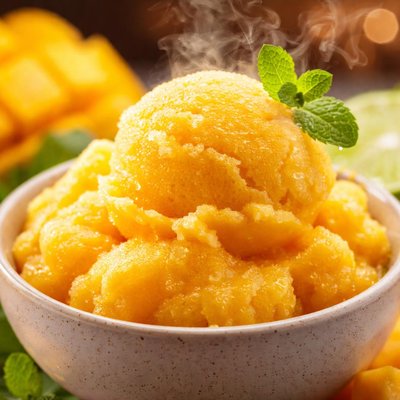
Dive into the tropical indulgence of Paleo Mango Sherbet—a creamy, dairy-free dessert that’s as refreshing as it is wholesome. Made with ripe mangoes, velvety full-fat coconut milk, and a touch of natural sweetness from honey, this easy recipe pairs vibrant fruitiness with a tangy twist of fresh lime juice and aromatic vanilla extract. Perfect for cooling off on a warm day or satisfying your sweet tooth without compromising your paleo lifestyle, this sherbet is ready in just 20 minutes of prep and minimal effort. With simple ingredients and no cooking required, it’s ideal for both seasoned foodies and beginners. Serve up scoops of sunshine straight from the freezer and savor the guilt-free pleasure of this tropical treat!

Smart Nutrition Tracking with SnapCalorie

Explore More
Recipe Information
Ingredients
- 3 large ripe mangoes
- 1 cup full-fat coconut milk
- 0.25 cup honey
- 2 tablespoons fresh lime juice
- 1 teaspoon vanilla extract
Instructions
Peel the mangoes and remove the flesh from the pits. Cut the mango flesh into chunks.
In a blender, combine the mango chunks, coconut milk, honey, lime juice, and vanilla extract.
Blend the mixture on high speed until smooth and creamy. Taste and adjust sweetness with additional honey if necessary.
Pour the mango mixture into a shallow container, cover with a lid or plastic wrap, and place it in the freezer.
Freeze the mixture for about 3-4 hours or until it is almost solid. Every hour, stir the mixture to ensure even freezing and a smooth texture.
Once the sherbet is firm enough to scoop but still creamy, remove it from the freezer.
Let the sherbet sit at room temperature for a few minutes if necessary to soften slightly before serving.
Scoop into bowls and enjoy your delicious Paleo Mango Sherbet immediately.
Nutrition Facts
Calories |
312 | ||
|---|---|---|---|
% Daily Value* |
|||
| Total Fat | 15.1 g | 19% | |
| Saturated Fat | 12.6 g | 63% | |
| Polyunsaturated Fat | 0.0 g | ||
| Cholesterol | 0 mg | 0% | |
| Sodium | 12 mg | 1% | |
| Total Carbohydrate | 48.0 g | 17% | |
| Dietary Fiber | 3.0 g | 11% | |
| Total Sugars | 43.4 g | ||
| Protein | 2.7 g | 5% | |
| Vitamin D | 0.0 mcg | 0% | |
| Calcium | 37 mg | 3% | |
| Iron | 2.2 mg | 12% | |
| Potassium | 490 mg | 10% | |
*The % Daily Value tells you how much a nutrient in a serving of food contributes to a daily diet. 2,000 calories a day is used for general nutrition advice.


