Paleo Hot Honey Mustard Sauce

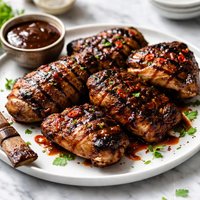
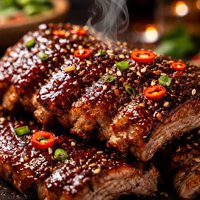
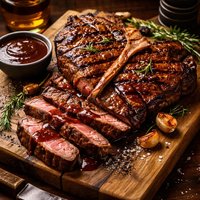
Elevate your condiments game with this Paleo Hot Honey Mustard Sauce—an irresistible blend of sweet, tangy, and spicy flavors that’s perfect for clean eating enthusiasts. Made with wholesome ingredients like Dijon mustard, raw honey, and apple cider vinegar, this quick five-minute recipe achieves the ideal balance of sweetness and heat, thanks to a hint of cayenne pepper and aromatic garlic powder. Olive oil adds a silky finish, making it a versatile addition to your paleo lifestyle. This no-cook sauce is perfect as a zesty dip for fresh veggies, a flavorful drizzle over grilled meats, or a bold dressing for crisp salads. Naturally gluten-free and refined-sugar-free, this hot honey mustard sauce is the ultimate companion for healthy, flavorful meals.

Smart Nutrition Tracking with SnapCalorie

Recipe Information
Ingredients
- 0.5 cup Dijon mustard
- 0.25 cup Raw honey
- 2 tablespoons Apple cider vinegar
- 2 tablespoons Olive oil
- 0.5 teaspoon Cayenne pepper
- 0.5 teaspoon Garlic powder
- 0.25 teaspoon Salt
- 0.25 teaspoon Black pepper
Instructions
In a medium-sized mixing bowl, combine the Dijon mustard and raw honey. Use a whisk to mix until smoothly combined.
Add in the apple cider vinegar and olive oil. Continue whisking until the mixture is uniform and slightly glossy.
Sprinkle the cayenne pepper, garlic powder, salt, and black pepper over the mixture. Whisk thoroughly to ensure the spices are evenly distributed.
Taste the sauce and adjust seasoning if necessary, keeping in mind the balance between spicy, sweet, and tangy flavors.
Transfer the sauce to a jar or airtight container and store it in the refrigerator for up to two weeks.
Serve the Paleo Hot Honey Mustard Sauce chilled or at room temperature as a dip for veggies or a drizzle over meats and salads.
Nutrition Facts
Calories |
99 | ||
|---|---|---|---|
% Daily Value* |
|||
| Total Fat | 6.4 g | 8% | |
| Saturated Fat | 0.5 g | 2% | |
| Polyunsaturated Fat | 0.0 g | ||
| Cholesterol | 0 mg | 0% | |
| Sodium | 406 mg | 18% | |
| Total Carbohydrate | 8.9 g | 3% | |
| Dietary Fiber | 0.1 g | 0% | |
| Total Sugars | 7.5 g | ||
| Protein | 0.1 g | 0% | |
| Vitamin D | 0.0 mcg | 0% | |
| Calcium | 2 mg | 0% | |
| Iron | 0.0 mg | 0% | |
| Potassium | 8 mg | 0% | |
*The % Daily Value tells you how much a nutrient in a serving of food contributes to a daily diet. 2,000 calories a day is used for general nutrition advice.


