Mint Butter
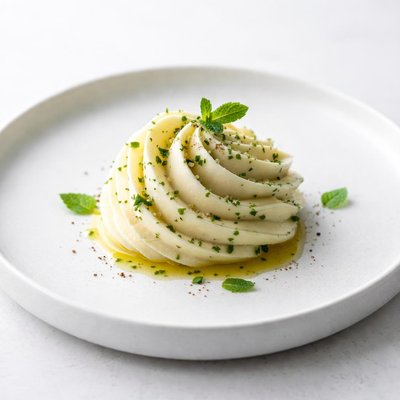
Elevate your cooking with this luxurious Mint Butter, a quick and easy recipe that transforms simple ingredients into a flavorful masterpiece! Combining creamy unsalted butter with freshly chopped mint leaves, a touch of salt, and a hint of optional lemon zest, this herbed butter is perfect for adding a vibrant twist to your favorite dishes. Ready in just 10 minutes (plus chilling), it’s an effortless way to enhance roasted vegetables, grilled meats, warm bread, or even baked potatoes. Crafted with fresh, aromatic ingredients, this homemade mint compound butter is versatile, freezer-friendly, and guaranteed to impress at any meal.
Train Anywhere. No Excuses.
Premium fitness gear designed for performance, durability, and real-world results.
From home to gym to on-the-go



Recipe Information
Ingredients
- 113 grams unsalted butter
- 15 grams fresh mint leaves
- 1 teaspoon salt
- 0.25 teaspoon lemon zest (optional)
Instructions
Take the unsalted butter out of the refrigerator and allow it to soften to room temperature for about 30 minutes.
Finely chop the fresh mint leaves and set them aside.
In a medium-sized mixing bowl, add the softened butter and use a fork or spatula to mash it until it becomes smooth and creamy.
Fold in the chopped mint leaves, salt, and lemon zest (if using). Stir until the ingredients are evenly distributed throughout the butter.
Taste the butter and adjust the salt or mint to your preference if necessary.
Transfer the mint butter onto a piece of parchment paper. Shape it into a log, then roll the parchment tightly around the butter. Twist the ends to seal.
Chill the butter in the refrigerator for at least 1 hour to allow the flavors to meld.
Once chilled, slice the butter as needed and use as a topping or spread. Store leftovers in the refrigerator for up to 1 week or in the freezer for up to 3 months.
Nutrition Facts
Calories |
102 | ||
|---|---|---|---|
% Daily Value* |
|||
| Total Fat | 11.5 g | 15% | |
| Saturated Fat | 7.2 g | 36% | |
| Polyunsaturated Fat | 0.0 g | ||
| Cholesterol | 31 mg | 10% | |
| Sodium | 244 mg | 11% | |
| Total Carbohydrate | 0.2 g | 0% | |
| Dietary Fiber | 0.1 g | 0% | |
| Total Sugars | 0.0 g | ||
| Protein | 0.2 g | 0% | |
| Vitamin D | 0.2 mcg | 1% | |
| Calcium | 7 mg | 1% | |
| Iron | 0.1 mg | 1% | |
| Potassium | 10 mg | 0% | |
*The % Daily Value tells you how much a nutrient in a serving of food contributes to a daily diet. 2,000 calories a day is used for general nutrition advice.



