Middle Eastern Vinegar
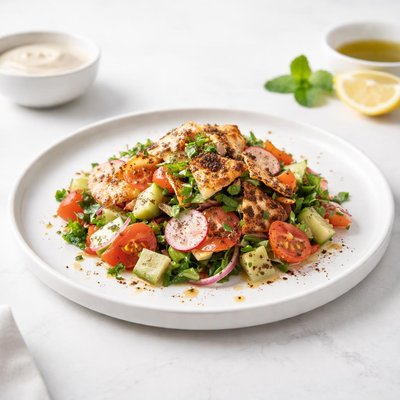
Discover the ancient art of crafting **Middle Eastern Vinegar**, a flavorful homemade condiment that’s both versatile and rewarding to prepare. Made from fresh dates or dark red grapes, this recipe celebrates natural fermentation to yield a tangy, mildly sweet vinegar that’s perfect for elevating salads, marinades, or even dressings. With minimal ingredients—just fruit, sugar, water, and an optional starter of white vinegar—this DIY vinegar is as wholesome as it gets. The slow fermentation process allows the flavors to develop beautifully over 4–6 weeks, resulting in a rich, complex taste that deepens over time. Ideal for sustainable kitchen enthusiasts, this recipe produces a craft vinegar worthy of your pantry while cutting down on food waste. Whether you’re an experienced fermenter or a curious beginner, mastering Middle Eastern Vinegar is a delicious way to embrace tradition and add a unique touch to your culinary creations.

Smart Nutrition Tracking with SnapCalorie


Recipe Information
Ingredients
- 500 grams Fresh dates or dark red grapes
- 50 grams Granulated sugar
- 1000 ml Filtered water
- 50 ml White vinegar (starter, optional)
Instructions
Wash the dates or grapes thoroughly under cold water to remove any dirt or impurities. For dates, remove the pits.
In a large sterilized glass jar (at least 2 liters in capacity), place the dates or grapes.
Add the granulated sugar to the jar.
Pour in the filtered water, ensuring all the fruit is fully submerged but leaving about 5–7 cm of headspace at the top of the jar to allow room for fermentation gases.
If you’re using white vinegar as a starter, add it to the jar. This can help speed up the fermentation process, but it's optional.
Secure the top of the jar with a muslin cloth or cheesecloth and a rubber band. This allows air circulation while preventing dust or insects from entering.
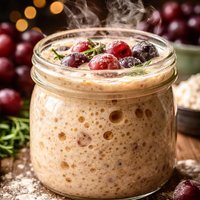
Place the jar in a dark, warm spot (around 20–25°C) for 4–6 weeks. Stir the contents gently with a clean wooden spoon every 2–3 days to prevent mold formation and to ensure even fermentation.
After 4–6 weeks, strain the liquid through a fine mesh sieve or cheesecloth into a clean, sterilized glass jar or bottle to remove solids. Discard the solids or compost them.
Taste the vinegar. If the flavor is too mild, allow it to ferment for an additional 1–2 weeks. The longer it ferments, the more tangy and intense the vinegar will become.
Once the desired flavor is achieved, seal the bottle with an airtight lid and store the vinegar in a cool, dark place. It will keep for months and even develop more complexity over time.
Nutrition Facts
Calories |
2 | ||
|---|---|---|---|
% Daily Value* |
|||
| Total Fat | 0.0 g | 0% | |
| Saturated Fat | 0.0 g | 0% | |
| Polyunsaturated Fat | 0.0 g | ||
| Cholesterol | 0 mg | 0% | |
| Sodium | 0 mg | 0% | |
| Total Carbohydrate | 0.4 g | 0% | |
| Dietary Fiber | 0.0 g | 0% | |
| Total Sugars | 0.4 g | ||
| Protein | 0.0 g | 0% | |
| Vitamin D | 0.0 mcg | 0% | |
| Calcium | 0 mg | 0% | |
| Iron | 0.0 mg | 0% | |
| Potassium | 3 mg | 0% | |
*The % Daily Value tells you how much a nutrient in a serving of food contributes to a daily diet. 2,000 calories a day is used for general nutrition advice.


