Maple Roasted Squash
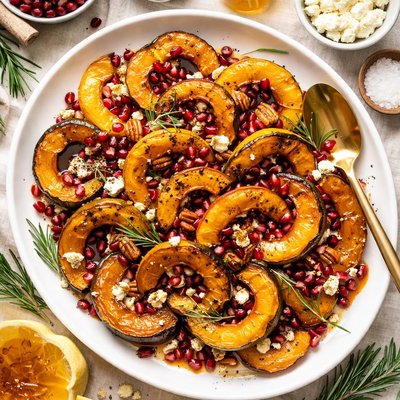
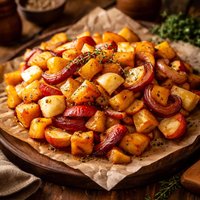
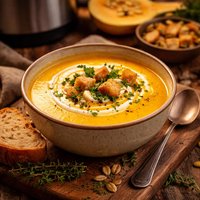
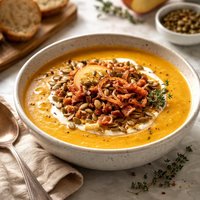
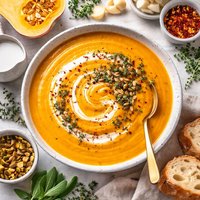
Experience the cozy flavors of fall with this Maple Roasted Squash recipe, a perfect balance of sweet and savory. Tender cubes of caramelized butternut squash are tossed in a luscious blend of pure maple syrup, olive oil, and warming cinnamon, then roasted to perfection for a golden, melt-in-your-mouth finish. With just 15 minutes of prep, this easy yet elegant side dish is ideal for holiday tables or weeknight dinners. Garnished with fresh thyme for a fragrant touch, it's a wholesome, plant-based delight that pairs beautifully with roasted meats or hearty grain bowls. A celebration of seasonal simplicity, this dish is packed with flavor and warmth in every bite.

Smart Nutrition Tracking with SnapCalorie

Recipe Information
Ingredients
- 1 large (about 2 lbs) butternut squash
- 2 tablespoons olive oil
- 3 tablespoons pure maple syrup
- 0.5 teaspoons ground cinnamon
- 0.5 teaspoons salt
- 0.25 teaspoons ground black pepper
- 1 tablespoon fresh thyme (optional, for garnish)
Instructions
Preheat your oven to 400°F (200°C) and line a baking sheet with parchment paper or foil.
Peel the butternut squash using a vegetable peeler. Cut off the ends, slice the squash in half lengthwise, and scoop out the seeds. Then, cut the squash into 1-inch cubes.
In a large mixing bowl, toss the squash cubes with olive oil, maple syrup, ground cinnamon, salt, and ground black pepper until evenly coated.
Spread the seasoned squash cubes in a single layer on the prepared baking sheet, making sure not to overcrowd them to allow for even roasting.
Roast in the preheated oven for 25-30 minutes, stirring halfway through, until the squash is tender and beginning to caramelize around the edges.
Remove from the oven and, if desired, garnish with fresh thyme for a pop of color and additional flavor.
Serve warm as a side dish or enjoy on its own!
Nutrition Facts
Calories |
179 | ||
|---|---|---|---|
% Daily Value* |
|||
| Total Fat | 6.9 g | 9% | |
| Saturated Fat | 1.0 g | 5% | |
| Polyunsaturated Fat | 0.0 g | ||
| Cholesterol | 0 mg | 0% | |
| Sodium | 253 mg | 11% | |
| Total Carbohydrate | 31.1 g | 11% | |
| Dietary Fiber | 7.8 g | 28% | |
| Total Sugars | 10.8 g | ||
| Protein | 2.0 g | 4% | |
| Vitamin D | 0.0 mcg | 0% | |
| Calcium | 113 mg | 9% | |
| Iron | 1.7 mg | 10% | |
| Potassium | 674 mg | 14% | |
*The % Daily Value tells you how much a nutrient in a serving of food contributes to a daily diet. 2,000 calories a day is used for general nutrition advice.


