Maple Cappuccino

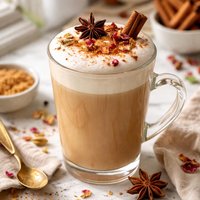
Indulge in a comforting hug-in-a-mug with this homemade Maple Cappuccino, a perfect blend of rich espresso, velvety frothed milk, and the natural sweetness of pure maple syrup. Ready in just 10 minutes, this delightful twist on a classic coffeehouse favorite is easy to make with simple ingredients you likely already have on hand, including whole milk or your favorite plant-based alternative. The subtle hint of maple adds a cozy, autumnal touch, while a sprinkle of ground cinnamon provides the perfect aromatic finish. Whether you're starting your day or winding down in the afternoon, this creamy, flavorful treat is guaranteed to elevate your coffee ritual. Serve your Maple Cappuccino immediately for the best experience—no barista required!

Smart Nutrition Tracking with SnapCalorie





Recipe Information
Ingredients
- 2 shots (60 ml total) Espresso or strong brewed coffee
- 1 cup Milk (whole or plant-based)
- 1 tablespoon Maple syrup
- 0.5 teaspoon Ground cinnamon (optional, for garnish)
Instructions
Brew 2 shots (about 60 ml) of espresso or prepare 1/2 cup of strong brewed coffee if an espresso machine isn't available.
While the coffee brews, pour 1 cup of milk into a saucepan over medium heat. Heat until steaming but not boiling, about 3 minutes.
Froth the milk using a milk frother, handheld whisk, or by shaking the milk vigorously in a heat-proof jar with a lid. Set aside if needed.
In a serving cup or mug, add 1 tablespoon of maple syrup.
Pour the freshly brewed espresso or coffee into the mug, stirring to combine with the maple syrup.
Gently pour the frothed milk over the coffee mixture, holding back the foam with a spoon to layer it nicely before spooning the foam on top.
Optionally, sprinkle ground cinnamon over the foam for garnish.
Serve immediately and enjoy your homemade Maple Cappuccino!
Nutrition Facts
Calories |
215 | ||
|---|---|---|---|
% Daily Value* |
|||
| Total Fat | 8.3 g | 11% | |
| Saturated Fat | 4.9 g | 24% | |
| Polyunsaturated Fat | 0.0 g | ||
| Cholesterol | 24 mg | 8% | |
| Sodium | 141 mg | 6% | |
| Total Carbohydrate | 28.6 g | 10% | |
| Dietary Fiber | 0.8 g | 3% | |
| Total Sugars | 25.2 g | ||
| Protein | 8.3 g | 17% | |
| Vitamin D | 2.5 mcg | 13% | |
| Calcium | 317 mg | 24% | |
| Iron | 0.4 mg | 2% | |
| Potassium | 513 mg | 11% | |
*The % Daily Value tells you how much a nutrient in a serving of food contributes to a daily diet. 2,000 calories a day is used for general nutrition advice.


