
Low Sodium White Fish Nigiri
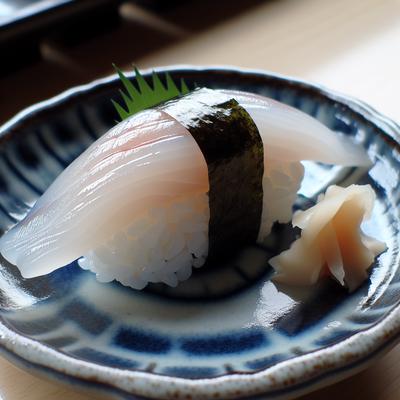
Discover the delicate flavors of **Low Sodium White Fish Nigiri**, a healthier take on traditional sushi that doesn't compromise on taste or presentation. This recipe features sushi-grade white fish like cod, halibut, or snapper perched atop expertly seasoned sushi rice, offering a perfectly balanced bite in every piece. With a focus on maintaining low sodium levels, the recipe uses a subtle blend of rice vinegar and sugar to enhance the rice's flavor, while optional wasabi and nori strips provide customizable flair and visual appeal. Ideal for sushi lovers seeking heart-healthy alternatives, this simple yet elegant dish comes together in under 45 minutes and is perfect for a light lunch, appetizer, or special occasion. Serve alongside low-sodium soy sauce or dipping substitutes for a guilt-free sushi experience you'll savor.

Log this recipe in SnapCalorie

Recipe Information
Ingredients
- 200 grams sushi-grade white fish (e.g., cod, halibut, or snapper)
- 1 cup sushi rice
- 1.25 cups water
- 2 tablespoons rice vinegar
- 1 tablespoon granulated sugar
- 0.25 teaspoons salt (optional, low amount if used)
- 1 teaspoon wasabi (optional, low-sodium)
- 2 sheets nori seaweed strips (optional, for visual appeal)
Instructions
Rinse the sushi rice in cold water until the water runs clear. This removes excess starch and prevents the rice from clumping.
Combine the rinsed rice and 1.25 cups of water in a rice cooker or a small pot. Cook according to the rice cooker instructions, or bring to a boil on the stove, then cover, reduce heat to low, and simmer for 18-20 minutes. Let the rice rest for 10 minutes with the lid on.
While the rice is cooking, prepare the vinegar seasoning. In a small saucepan, gently heat the rice vinegar, granulated sugar, and a small pinch of salt (optional to keep sodium low) over medium-low heat until the sugar dissolves. Do not boil. Set aside to cool.
Transfer the cooked rice to a large bowl or shallow container. Using a wooden spatula or spoon, gently fold the vinegar seasoning into the rice while fanning it to cool. Be careful not to mash the grains. Cover with a clean, damp cloth to keep the rice from drying out.
Using a very sharp knife, slice the sushi-grade white fish into thin, rectangular slices about 2 inches by 1 inch. Aim for uniform pieces to ensure consistency in presentation.
Moisten your hands slightly with water to prevent the rice from sticking. Take approximately 1 tablespoon of sushi rice and gently form it into a compact oval shape using your fingers.
If using wasabi, apply a tiny smear to the underside of a fish slice. Place the fish slice on top of the formed rice, pressing gently to adhere.
Optional: Secure the fish to the rice using a thin strip of nori seaweed for added presentation and stability.
Repeat the process with the remaining fish and rice until all nigiri pieces are assembled.
Arrange the nigiri on a clean plate and serve immediately with optional low-sodium soy sauce or no-sodium substitutes for dipping. Enjoy!
Nutrition Facts
Calories |
544 | ||
|---|---|---|---|
% Daily Value* |
|||
| Total Fat | 2.8 g | 4% | |
| Saturated Fat | 0.5 g | 2% | |
| Polyunsaturated Fat | 0.0 g | ||
| Cholesterol | 100 mg | 33% | |
| Sodium | 738 mg | 32% | |
| Total Carbohydrate | 78.7 g | 29% | |
| Dietary Fiber | 1.9 g | 7% | |
| Total Sugars | 13.0 g | ||
| Protein | 47.3 g | 95% | |
| Vitamin D | 10.0 mcg | 50% | |
| Calcium | 84 mg | 6% | |
| Iron | 2.1 mg | 12% | |
| Potassium | 778 mg | 17% | |
*The % Daily Value tells you how much a nutrient in a serving of food contributes to a daily diet. 2,000 calories a day is used for general nutrition advice.


