
Low Sodium Vanilla Cake with Buttercream Frosting
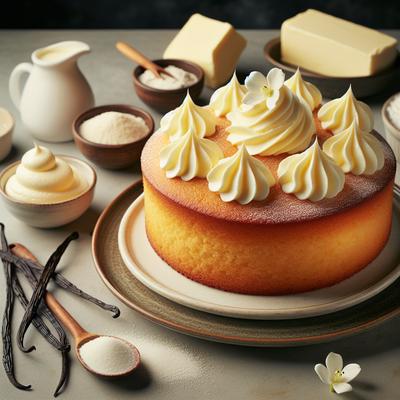
Indulge in the sweet simplicity of this Low Sodium Vanilla Cake with Buttercream Frosting, a perfect treat for those watching their sodium intake without sacrificing flavor. This moist and fluffy vanilla cake is crafted using sodium-free baking powder and unsalted butter, ensuring it remains light and tender while being low in sodium. The rich, velvety buttercream frosting provides a decadent finishing touch, made with just a handful of pantry staples like powdered sugar and splash of vanilla extract. Ideal for special occasions or casual desserts, this recipe is easy to prepare, requiring only 20 minutes of prep time before baking into golden perfection. Whether you're catering to dietary needs or simply seeking a healthier option, this low sodium cake offers a guilt-free way to satisfy your sweet tooth, beautifully accented by its classic vanilla flavor.

Log this recipe in SnapCalorie

Recipe Information
Ingredients
- 2.5 cups All-purpose flour
- 2.5 teaspoons Baking powder (low sodium or sodium-free)
- 0.75 cup Unsalted butter, softened
- 1.5 cups Granulated sugar
- 2 teaspoons Vanilla extract
- 4 whole Large eggs
- 1 cup Whole milk (or low sodium milk alternative)
- 1 cup Unsalted butter (for frosting), softened
- 4 cups Powdered sugar
- 2 teaspoons Vanilla extract (for frosting)
- 2 tablespoons Milk or cream (for frosting, optional for consistency)
Instructions
Preheat your oven to 350°F (175°C) and grease and flour two 9-inch round cake pans, then set them aside.
In a medium bowl, whisk together the all-purpose flour and baking powder. This will serve as your dry mixture.
In a large mixing bowl, use a hand or stand mixer to cream together the unsalted butter and granulated sugar until the mixture is light and fluffy, about 2-3 minutes.
Add the vanilla extract and eggs, one at a time, to the butter mixture. Beat well after each addition until fully incorporated.
Gradually add the dry mixture to the wet mixture in three parts, alternating with the milk. Begin and end with the dry mixture. Mix until just combined—do not overmix.
Divide the batter evenly between the prepared cake pans and smooth the tops with a spatula.
Bake in the preheated oven for 25-30 minutes, or until a toothpick inserted into the center of each cake comes out clean.
Allow the cakes to cool in the pans for 10 minutes before turning them out onto a wire rack to cool completely.
For the frosting, beat the unsalted butter in a large mixing bowl until smooth and creamy, about 2-3 minutes.
Gradually add the powdered sugar to the butter, beating at a low speed to combine and then at medium speed until fluffy. Add the vanilla extract and milk (if needed) to reach your desired consistency.
Once the cakes are fully cooled, place one cake layer on a serving platter and spread a generous layer of frosting on top.
Stack the second cake layer on top and spread the remaining frosting evenly over the top and sides of the cake.
Slice, serve, and enjoy your low sodium vanilla cake with buttercream frosting!
Nutrition Facts
Calories |
7607 | ||
|---|---|---|---|
% Daily Value* |
|||
| Total Fat | 370.8 g | 475% | |
| Saturated Fat | 226.9 g | 1134% | |
| Polyunsaturated Fat | 0.0 g | ||
| Cholesterol | 1684 mg | 561% | |
| Sodium | 461 mg | 20% | |
| Total Carbohydrate | 1029.9 g | 375% | |
| Dietary Fiber | 8.2 g | 29% | |
| Total Sugars | 785.8 g | ||
| Protein | 67.2 g | 134% | |
| Vitamin D | 11.3 mcg | 57% | |
| Calcium | 561 mg | 43% | |
| Iron | 18.3 mg | 102% | |
| Potassium | 1094 mg | 23% | |
*The % Daily Value tells you how much a nutrient in a serving of food contributes to a daily diet. 2,000 calories a day is used for general nutrition advice.


