Low Sodium Pad Thai Sauce
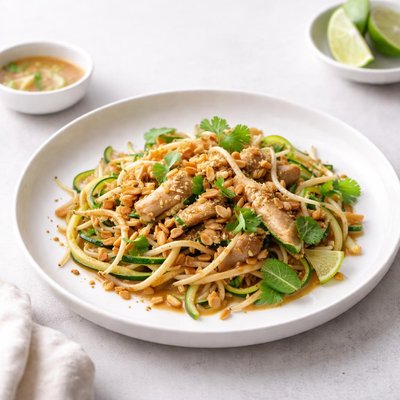
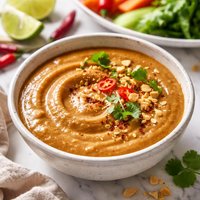
Elevate your noodle dishes with this irresistibly flavorful Low Sodium Pad Thai Sauce that's perfect for those watching their sodium intake without compromising on taste. Crafted with tangy tamarind paste, creamy unsweetened peanut butter, and low sodium soy sauce, this sauce strikes the perfect balance of sweet, salty, and sour notes. Fresh ginger, garlic, and a hint of red chili flakes provide a fragrant kick, while lime juice adds a zesty finish. Ready in just 15 minutes, this easy homemade Pad Thai sauce pairs beautifully with stir-fried noodles, vegetables, or shrimp, and can be made ahead for convenience. Perfect for health-conscious foodies, this recipe proves that low sodium doesn't have to mean low flavor!

Smart Nutrition Tracking with SnapCalorie


Recipe Information
Ingredients
- 3 tablespoons Tamarind Paste
- 2 tablespoons Unsweetened Peanut Butter
- 2 tablespoons Low Sodium Soy Sauce
- 2 tablespoons Rice Vinegar
- 2 tablespoons Palm Sugar
- 2 cloves Garlic, minced
- 1 tablespoon Fresh Lime Juice
- 0.5 teaspoon Red Chili Flakes
- 3 tablespoons Water
- 1 teaspoon Fresh Ginger, grated
Instructions
In a small bowl, combine the tamarind paste, peanut butter, low sodium soy sauce, and rice vinegar. Stir until smooth and well-blended.
Add the palm sugar and continue to stir until it dissolves completely in the mixture.
In a saucepan over medium heat, add the garlic and ginger. Cook for about 1 minute until fragrant.
Pour the sauce mixture into the saucepan and stir in the water. Bring to a gentle simmer, allowing the flavors to meld together for about 2 minutes.
Remove the saucepan from heat and stir in the fresh lime juice and red chili flakes.
Taste and adjust the sweetness or tanginess to your preference by adding more palm sugar or lime juice if necessary.
Allow the sauce to cool before transferring it to a jar. Use immediately or store in the refrigerator for up to a week.
Nutrition Facts
Calories |
115 | ||
|---|---|---|---|
% Daily Value* |
|||
| Total Fat | 4.1 g | 5% | |
| Saturated Fat | 0.8 g | 4% | |
| Polyunsaturated Fat | 0.0 g | ||
| Cholesterol | 0 mg | 0% | |
| Sodium | 332 mg | 14% | |
| Total Carbohydrate | 17.7 g | 6% | |
| Dietary Fiber | 1.3 g | 5% | |
| Total Sugars | 13.5 g | ||
| Protein | 3.1 g | 6% | |
| Vitamin D | 0.0 mcg | 0% | |
| Calcium | 25 mg | 2% | |
| Iron | 0.7 mg | 4% | |
| Potassium | 135 mg | 3% | |
*The % Daily Value tells you how much a nutrient in a serving of food contributes to a daily diet. 2,000 calories a day is used for general nutrition advice.


