
Low Sodium Onsen Egg
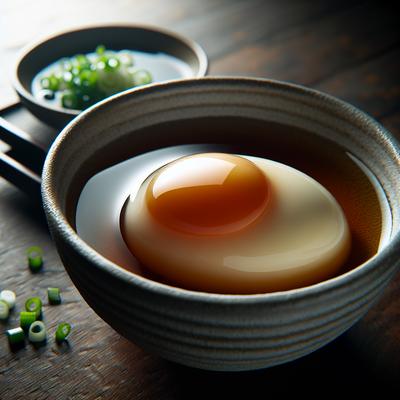
Indulge in the delicate simplicity of this Low Sodium Onsen Egg recipe, a health-conscious twist on the traditional Japanese delicacy. Perfectly cooked in residual heat, these soft-boiled eggs boast silky whites and luxuriously golden, slightly runny yolks, all with zero added salt. With only three basic ingredients—eggs, water, and ice—this recipe is low-effort yet incredibly satisfying, requiring just 5 minutes of prep and 16 minutes of cook time. Ideal for serving over rice, noodles, or atop vibrant salads, this dish makes an elegant, protein-packed addition to your daily meals. Whether you're exploring Japanese cuisine or looking for low-sodium options, the Low Sodium Onsen Egg is sure to impress with its delicate texture and versatility.

Log this recipe in SnapCalorie

Recipe Information
Ingredients
- 4 large Eggs
- 1 liter Water
- 500 grams Ice
Instructions
Bring 1 liter of water to a boil in a medium-sized pot.
Once the water has reached a boil, turn off the heat immediately and let the boiling stop completely.
Gently add the eggs to the pot using a ladle to prevent cracking.
Cover the pot with a lid and set a timer for 12 minutes to allow the eggs to slowly cook in the residual heat.
While waiting, prepare an ice bath in a large bowl by combining ice and water.
After 12 minutes, carefully remove the eggs from the pot and transfer them immediately to the ice bath to stop the cooking process. Let them sit for about 4 minutes.
Gently crack the shell and peel the eggs; the egg whites should be tender, and yolks should remain slightly runny and bright orange.
Serve the onsen eggs warm or at room temperature over rice, noodles, salads, or as desired.
Nutrition Facts
Calories |
288 | ||
|---|---|---|---|
% Daily Value* |
|||
| Total Fat | 19.0 g | 24% | |
| Saturated Fat | 6.2 g | 31% | |
| Polyunsaturated Fat | 0.0 g | ||
| Cholesterol | 744 mg | 248% | |
| Sodium | 314 mg | 14% | |
| Total Carbohydrate | 1.4 g | 1% | |
| Dietary Fiber | 0.0 g | 0% | |
| Total Sugars | 0.7 g | ||
| Protein | 25.1 g | 50% | |
| Vitamin D | 4.1 mcg | 20% | |
| Calcium | 173 mg | 13% | |
| Iron | 3.5 mg | 19% | |
| Potassium | 276 mg | 6% | |
*The % Daily Value tells you how much a nutrient in a serving of food contributes to a daily diet. 2,000 calories a day is used for general nutrition advice.


