Low Sodium Classic Lettuce Salad with Homemade Vinaigrette
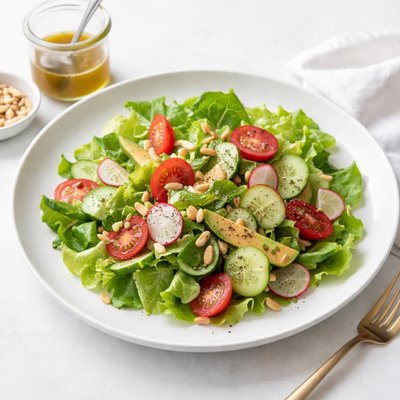
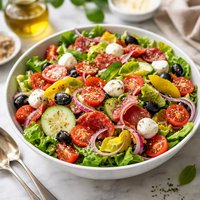
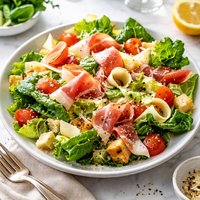
Elevate your salad game with this vibrant and heart-healthy **Low Sodium Classic Lettuce Salad with Homemade Vinaigrette**! Bursting with crisp romaine lettuce, juicy cherry tomatoes, refreshing cucumber, and a touch of zesty red onion, this wholesome recipe is as satisfying as it is simple. Perfect for those mindful of sodium intake, the homemade vinaigrette balances tangy red wine vinegar, smooth olive oil, Dijon mustard, and a hint of honey for a flavorful dressing with no added salt. Ready in just 15 minutes, this fresh and colorful salad is the ultimate go-to side dish or light lunch. From easy prep to irresistible flavor, this low sodium salad will become a favorite in your healthy eating repertoire!
Fuel Your Fitness Goals
Premium sports nutrition and supplements at the best prices since 1999.
Over 25 years of sports nutrition excellence
Recipe Information
Ingredients
- 1 head Romaine lettuce
- 1 cup Cherry tomatoes
- 1 medium Cucumber
- 0.25 medium Red onion
- 3 tablespoons Extra virgin olive oil
- 2 tablespoons Red wine vinegar
- 1 teaspoon Dijon mustard
- 1 teaspoon Honey
- 0.5 teaspoon Garlic powder
- 0.25 teaspoon Black pepper
- 1 tablespoon Fresh lemon juice
Instructions
Start by washing and drying the romaine lettuce thoroughly. Tear the lettuce into bite-sized pieces and place in a large salad bowl.
Slice the cherry tomatoes in half and add them to the bowl with the lettuce.
Peel and slice the cucumber into thin rounds and add to the salad.
Finely slice the red onion and mix with the other salad ingredients in the bowl.
In a small bowl or jar, combine the extra virgin olive oil, red wine vinegar, Dijon mustard, honey, garlic powder, black pepper, and fresh lemon juice.
Whisk the vinaigrette ingredients together until well combined and emulsified. Alternatively, shake vigorously if using a jar.
Pour the vinaigrette over the salad ingredients just before serving and toss gently to coat the vegetables evenly.
Serve immediately to enjoy the salad at its freshest.
Nutrition Facts
Calories |
138 | ||
|---|---|---|---|
% Daily Value* |
|||
| Total Fat | 10.5 g | 13% | |
| Saturated Fat | 1.6 g | 8% | |
| Polyunsaturated Fat | 0.0 g | ||
| Cholesterol | 0 mg | 0% | |
| Sodium | 75 mg | 3% | |
| Total Carbohydrate | 10.2 g | 4% | |
| Dietary Fiber | 3.0 g | 11% | |
| Total Sugars | 4.8 g | ||
| Protein | 3.0 g | 6% | |
| Vitamin D | 0.0 mcg | 0% | |
| Calcium | 71 mg | 5% | |
| Iron | 1.9 mg | 10% | |
| Potassium | 479 mg | 10% | |
*The % Daily Value tells you how much a nutrient in a serving of food contributes to a daily diet. 2,000 calories a day is used for general nutrition advice.



