Low Fat Garlic Mayo

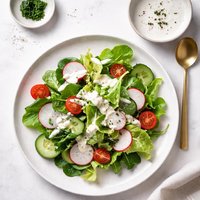
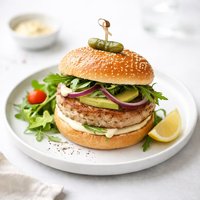
Creamy, zesty, and irresistibly flavorful, this Low Fat Garlic Mayo is the perfect guilt-free addition to your favorite dishes. Made with protein-packed low-fat Greek yogurt and a hint of light mayonnaise, this recipe delivers all the rich indulgence of traditional garlic mayo with a healthier twist. Freshly minced garlic, a splash of bright lemon juice, and the tangy kick of Dijon mustard create a well-balanced blend of flavors, while just a touch of salt and pepper enhances every bite. Ready in just 10 minutes with no cooking required, it’s the ultimate quick and versatile condiment—ideal as a dip for veggies, a spread for sandwiches, or a drizzle over salads. Plus, it’s light, low in fat, and packed with flavor, making it a must-try for health-conscious food lovers.

Smart Nutrition Tracking with SnapCalorie



Recipe Information
Ingredients
- 200 grams low-fat Greek yogurt
- 50 grams light mayonnaise
- 2 pieces garlic cloves
- 1 tablespoon lemon juice
- 1 teaspoon Dijon mustard
- 0.5 teaspoon salt
- 0.25 teaspoon black pepper
Instructions
Peel the garlic cloves and mince them finely, or use a garlic press for a smoother consistency.
In a medium-sized mixing bowl, add the low-fat Greek yogurt, light mayonnaise, minced garlic, lemon juice, and Dijon mustard.
Whisk the ingredients together until the mixture is smooth and well combined.
Season the mixture with salt and black pepper, then whisk again to incorporate the seasonings.
Taste the garlic mayo and adjust the seasoning if necessary. Add more lemon juice for tanginess or additional salt and pepper as needed.
Transfer the garlic mayo into an airtight container and let it chill in the refrigerator for at least 30 minutes before serving to allow the flavors to meld together.
Serve your low-fat garlic mayo as a dip, spread, or dressing and enjoy!
Nutrition Facts
Calories |
44 | ||
|---|---|---|---|
% Daily Value* |
|||
| Total Fat | 2.2 g | 3% | |
| Saturated Fat | 0.6 g | 3% | |
| Polyunsaturated Fat | 0.8 g | ||
| Cholesterol | 4 mg | 1% | |
| Sodium | 196 mg | 9% | |
| Total Carbohydrate | 4.1 g | 1% | |
| Dietary Fiber | 0.3 g | 1% | |
| Total Sugars | 3.1 g | ||
| Protein | 2.1 g | 4% | |
| Vitamin D | 0.2 mcg | 1% | |
| Calcium | 24 mg | 2% | |
| Iron | 0.0 mg | 0% | |
| Potassium | 40 mg | 1% | |
*The % Daily Value tells you how much a nutrient in a serving of food contributes to a daily diet. 2,000 calories a day is used for general nutrition advice.


