
Low Fat Creamy Peanut Butter Smoothie
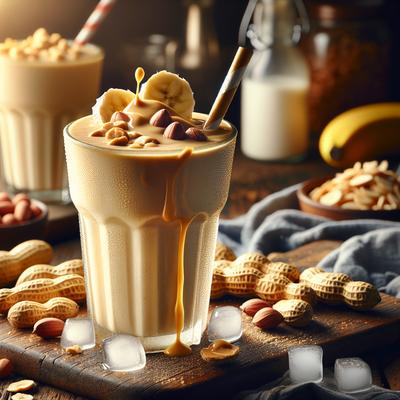
Start your day with a protein-packed, deliciously indulgent Low Fat Creamy Peanut Butter Smoothie—a guilt-free treat that satisfies your cravings without compromising on nutrition. This quick and easy recipe combines the natural richness of peanut butter and vanilla Greek yogurt with the natural sweetness of ripe banana and a touch of honey, creating a perfectly balanced drink that's both creamy and refreshing. Enhanced with a splash of vanilla extract and optional ground cinnamon for a hint of warm spice, this smoothie is blended to perfection with just the right amount of ice cubes for ultimate smoothness. Ready in just 10 minutes, it's the ideal breakfast or snack for anyone seeking a healthy, low-fat option that's big on flavor. Perfect for smoothie lovers, healthy lifestyles, and peanut butter enthusiasts alike!

Log this recipe in SnapCalorie

Recipe Information
Ingredients
- 1 cup Low-fat milk
- 1 large Banana
- 2 tablespoons Natural peanut butter (no added sugar or salt)
- 1 cup Vanilla Greek yogurt
- 1 tablespoon Honey
- 0.5 teaspoon Vanilla extract
- 6 pieces Ice cubes
- 0.25 teaspoon Ground cinnamon (optional)
Instructions
Peel the banana and chop it into small chunks for easier blending.
In a blender, combine 1 cup of low-fat milk, the chopped banana, and 2 tablespoons of natural peanut butter.
Add 1 cup of vanilla Greek yogurt, 1 tablespoon of honey, and 0.5 teaspoon of vanilla extract to the blender.
Add 6 ice cubes to enhance the smoothie's creaminess and refreshment.
If using, add 0.25 teaspoon of ground cinnamon for an extra hint of flavor.
Blend all ingredients on high speed until completely smooth and creamy, stopping to scrape down the sides as needed.
Taste the smoothie and adjust sweetness if necessary by adding a little more honey.
Pour the smoothie evenly into two glasses and serve immediately for the best texture and flavor.
Nutrition Facts
Calories |
709 | ||
|---|---|---|---|
% Daily Value* |
|||
| Total Fat | 21.4 g | 27% | |
| Saturated Fat | 5.7 g | 29% | |
| Polyunsaturated Fat | 0.1 g | ||
| Cholesterol | 36 mg | 12% | |
| Sodium | 203 mg | 9% | |
| Total Carbohydrate | 92.1 g | 33% | |
| Dietary Fiber | 4.7 g | 17% | |
| Total Sugars | 72.2 g | ||
| Protein | 41.6 g | 83% | |
| Vitamin D | 2.5 mcg | 13% | |
| Calcium | 580 mg | 45% | |
| Iron | 0.8 mg | 4% | |
| Potassium | 988 mg | 21% | |
*The % Daily Value tells you how much a nutrient in a serving of food contributes to a daily diet. 2,000 calories a day is used for general nutrition advice.


