Low Fat Classic Peanut Butter on Toast
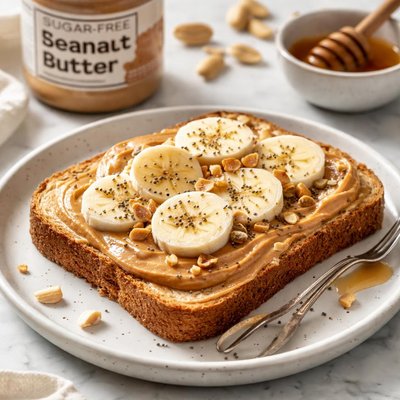
Elevate your breakfast game with this quick and nutritious recipe for Low Fat Classic Peanut Butter on Toast. Perfectly toasted whole wheat bread serves as the foundation for creamy low-fat peanut butter, drizzled with a touch of natural honey for sweetness. Optional toppings like fresh banana slices and a sprinkle of cinnamon add layers of flavor and texture that make this dish irresistible. Ready in just minutes, this healthy twist on a classic favorite is ideal for busy mornings or as a satisfying snack. Packed with protein, fiber, and natural sweetness, it’s a deliciously guilt-free way to start your day.
Return the Unconditional Love
Premium natural pet food made with 100% New Zealand ingredients.
Wholesome nutrition for your furry family

Recipe Information
Ingredients
- 2 slices Whole wheat bread slices
- 2 tablespoons Low-fat peanut butter
- 1 teaspoon Honey
- 0.5 piece Banana (optional)
- 0.25 teaspoon Cinnamon (optional)
Instructions
Begin by setting your toaster to a medium setting. Place two slices of whole wheat bread in the toaster and toast them until they are golden brown and crispy.
While the bread is toasting, measure out two tablespoons of low-fat peanut butter into a small bowl or directly onto a plate.
Once the toast is ready, immediately spread the low-fat peanut butter evenly over each slice while they are still warm. This helps the peanut butter to spread more smoothly.
Drizzle a teaspoon of honey over the peanut butter on each slice of toast for added sweetness.
If you like, slice half of a banana into thin rounds and place them evenly over the peanut butter and honey.
For an extra touch of flavor, sprinkle a quarter teaspoon of cinnamon over the top.
Serve immediately for the best texture and flavor. Enjoy your low-fat classic peanut butter on toast as a nutritious start to your day or an energizing snack.
Nutrition Facts
Calories |
462 | ||
|---|---|---|---|
% Daily Value* |
|||
| Total Fat | 14.0 g | 18% | |
| Saturated Fat | 2.6 g | 13% | |
| Polyunsaturated Fat | 3.0 g | ||
| Cholesterol | 0 mg | 0% | |
| Sodium | 514 mg | 22% | |
| Total Carbohydrate | 71.1 g | 26% | |
| Dietary Fiber | 7.6 g | 27% | |
| Total Sugars | 22.0 g | ||
| Protein | 19.0 g | 38% | |
| Vitamin D | 0.0 mcg | 0% | |
| Calcium | 101 mg | 8% | |
| Iron | 3.1 mg | 17% | |
| Potassium | 571 mg | 12% | |
*The % Daily Value tells you how much a nutrient in a serving of food contributes to a daily diet. 2,000 calories a day is used for general nutrition advice.



