Low Fat Classic Garlic Aioli

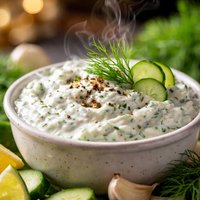
Elevate your condiments game with this guilt-free twist on a beloved favorite: Low Fat Classic Garlic Aioli. Packed with bold garlic flavor and creamy texture, this recipe replaces heavy oils with a blend of low-fat mayonnaise and non-fat Greek yogurt for a lighter, healthier option without sacrificing taste. With zesty lemon juice, a hint of Dijon mustard, and a touch of olive oil, this aioli is rich in flavor yet perfect for the health-conscious cook. Ready in just 10 minutes, it’s an ideal dip, spread, or garnish for grilled meats, vegetables, or sandwiches. Garnish with fresh parsley for a touch of elegance, and let every bite be a flavorful delight.
Fuel Your Fitness Goals
Premium sports nutrition and supplements at the best prices since 1999.
Over 25 years of sports nutrition excellence

Recipe Information
Ingredients
- 0.5 cup Low-fat mayonnaise
- 0.5 cup Greek yogurt (non-fat)
- 3 medium Garlic cloves
- 1 tablespoon Lemon juice
- 1 teaspoon Olive oil
- 1 teaspoon Dijon mustard
- 0.5 teaspoon Salt
- 0.25 teaspoon Ground black pepper
- 1 tablespoon Fresh parsley (optional, for garnish)
Instructions
Peel the garlic cloves and mince them finely using a knife or a garlic press. Ensure the pieces are very small to integrate smoothly into the aioli.
In a medium-sized mixing bowl, combine the low-fat mayonnaise and non-fat Greek yogurt. Stir well until smooth and evenly combined.
Add the minced garlic to the mayo-yogurt mixture, ensuring it is distributed evenly.
Stir in the lemon juice, olive oil, and Dijon mustard until fully incorporated.
Season with salt and ground black pepper, adjusting to taste.
Mix the aioli thoroughly until all ingredients are well combined and the mixture is smooth.
For a more elevated presentation, finely chop fresh parsley and sprinkle it as a garnish over the aioli before serving.
Chill in the refrigerator for at least 30 minutes to allow the flavors to meld before serving.
Serve as a dip, spread, or accompaniment for grilled meats, fish, or vegetables.
Nutrition Facts
Calories |
55 | ||
|---|---|---|---|
% Daily Value* |
|||
| Total Fat | 4.2 g | 5% | |
| Saturated Fat | 0.6 g | 3% | |
| Polyunsaturated Fat | 2.0 g | ||
| Cholesterol | 3 mg | 1% | |
| Sodium | 271 mg | 12% | |
| Total Carbohydrate | 2.8 g | 1% | |
| Dietary Fiber | 0.1 g | 0% | |
| Total Sugars | 1.1 g | ||
| Protein | 1.8 g | 4% | |
| Vitamin D | 0.0 mcg | 0% | |
| Calcium | 20 mg | 2% | |
| Iron | 0.1 mg | 1% | |
| Potassium | 40 mg | 1% | |
*The % Daily Value tells you how much a nutrient in a serving of food contributes to a daily diet. 2,000 calories a day is used for general nutrition advice.



