Low Fat Butternut Squash Mash
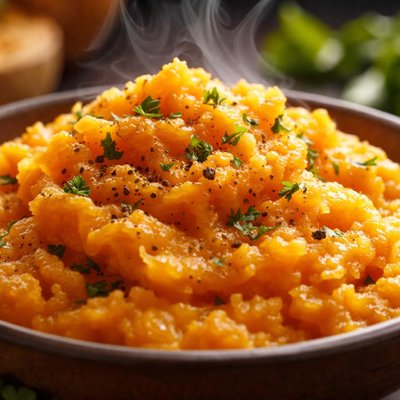
Creamy, flavorful, and guilt-free, this Low Fat Butternut Squash Mash is the perfect healthy side dish to elevate any meal. Made with naturally sweet butternut squash, a touch of olive oil, and seasoned with garlic powder, onion powder, and fresh thyme, this dish is packed with comforting, savory flavors without the excess calories. A splash of skim milk gives it a velvety texture, making it a lighter alternative to traditional potato mash. Ready in just 40 minutes, this wholesome recipe is easy to prepare and works beautifully alongside roasted meats or as part of a vegetarian feast. Whether you're revamping your weeknight dinner routine or planning a holiday menu, this healthy, low-fat side dish will quickly become a family favorite.

Smart Nutrition Tracking with SnapCalorie

Recipe Information
Ingredients
- 2 pounds butternut squash
- 1 tablespoon olive oil
- 0.5 teaspoon salt
- 0.25 teaspoon black pepper
- 0.5 teaspoon garlic powder
- 0.5 teaspoon onion powder
- 0.5 cup skim milk
- 1 teaspoon fresh thyme
Instructions
Begin by peeling the butternut squash and removing the seeds. Cut the squash into 1-inch cubes.
In a large pot, bring enough water to cover the squash to a boil. Add the cubed butternut squash.
Cook the squash for 15-20 minutes, or until it is very tender and can be easily pierced with a fork.
Drain the squash and return it to the pot.
Add olive oil, salt, black pepper, garlic powder, and onion powder to the pot with the squash.
Using a potato masher or an immersion blender, mash the squash until it has reached your desired consistency.
Slowly stir in the skim milk to create a creamy texture.
Sprinkle in the fresh thyme, gently folding it into the squash mash.
Adjust seasoning to taste, adding more salt or pepper if necessary.
Serve the butternut squash mash warm as a side dish to your favorite meal.
Nutrition Facts
Calories |
133 | ||
|---|---|---|---|
% Daily Value* |
|||
| Total Fat | 3.7 g | 5% | |
| Saturated Fat | 0.5 g | 3% | |
| Polyunsaturated Fat | 0.0 g | ||
| Cholesterol | 1 mg | 0% | |
| Sodium | 264 mg | 11% | |
| Total Carbohydrate | 26.0 g | 9% | |
| Dietary Fiber | 7.3 g | 26% | |
| Total Sugars | 6.3 g | ||
| Protein | 3.1 g | 6% | |
| Vitamin D | 0.3 mcg | 2% | |
| Calcium | 137 mg | 11% | |
| Iron | 1.3 mg | 7% | |
| Potassium | 706 mg | 15% | |
*The % Daily Value tells you how much a nutrient in a serving of food contributes to a daily diet. 2,000 calories a day is used for general nutrition advice.


