Low Carb White Chocolate Mocha

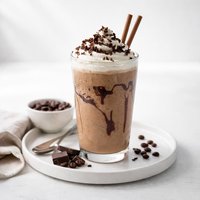
Indulge in a guilt-free coffeehouse favorite with this Low Carb White Chocolate Mocha—perfect for anyone following a low-carb lifestyle or craving a sugar-free treat. This velvety beverage combines rich brewed espresso or strong coffee with creamy unsweetened almond milk, decadent sugar-free white chocolate chips, and a touch of heavy cream for irresistible indulgence. Sweetened naturally with low-carb options like erythritol or monk fruit and finished with a hint of vanilla extract, this recipe ensures maximum flavor without extra carbs. Ready in just 10 minutes, it's perfect for cozy mornings or an afternoon pick-me-up. For an extra treat, top it with sugar-free whipped cream and white chocolate shavings for a café-style presentation. Enjoy this creamy, dreamy low-carb drink that's as satisfying as your favorite coffee shop order!

Smart Nutrition Tracking with SnapCalorie

Explore More

Recipe Information
Ingredients
- 1 cup Unsweetened almond milk
- 0.5 cup Brewed espresso or strong coffee
- 2 tablespoons Sugar-free white chocolate chips
- 2 tablespoons Heavy cream
- 1 teaspoon Low-carb sweetener (like erythritol or monk fruit)
- 0.25 teaspoon Vanilla extract
- 2 tablespoons Whipped cream (sugar-free, optional for garnish)
- 0.5 teaspoon Sugar-free white chocolate shavings (optional for garnish)
Instructions
In a small saucepan over low heat, combine the almond milk, sugar-free white chocolate chips, heavy cream, and low-carb sweetener.
Stir continuously until the white chocolate chips have melted completely and the mixture is smooth. Make sure the heat is low to prevent scorching.
Remove the saucepan from heat and stir in the vanilla extract.
Brew a fresh shot of espresso or prepare 1/2 cup of strong coffee.
Pour the white chocolate mixture into your coffee mug, then slowly add the espresso or coffee. Stir gently to combine.
Optional: Top with sugar-free whipped cream and garnish with sugar-free white chocolate shavings for a café-worthy look.
Serve immediately and enjoy your low-carb white chocolate mocha!
Nutrition Facts
Calories |
242 | ||
|---|---|---|---|
% Daily Value* |
|||
| Total Fat | 20.1 g | 26% | |
| Saturated Fat | 10.7 g | 53% | |
| Polyunsaturated Fat | 0.0 g | ||
| Cholesterol | 38 mg | 13% | |
| Sodium | 224 mg | 10% | |
| Total Carbohydrate | 15.4 g | 6% | |
| Dietary Fiber | 3.4 g | 12% | |
| Total Sugars | 0.0 g | ||
| Protein | 1.7 g | 3% | |
| Vitamin D | 2.6 mcg | 13% | |
| Calcium | 505 mg | 39% | |
| Iron | 0.4 mg | 2% | |
| Potassium | 538 mg | 11% | |
*The % Daily Value tells you how much a nutrient in a serving of food contributes to a daily diet. 2,000 calories a day is used for general nutrition advice.


