Low Carb Tropical Smoothie
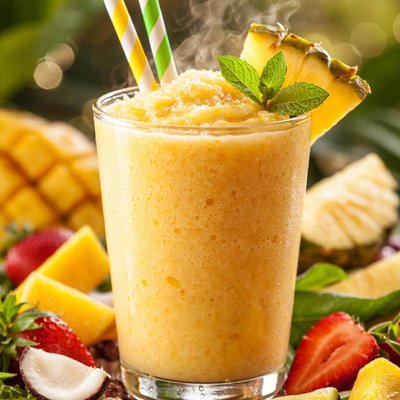
Indulge in the exotic flavors of the tropics without straying from your low-carb lifestyle with this refreshing Low Carb Tropical Smoothie recipe. Perfect for busy mornings or a post-workout treat, this smoothie is a creamy blend of unsweetened coconut milk, frozen mango and pineapple chunks, and a secret ingredient—cauliflower rice—for a boost of nutrition and irresistible texture. Enhanced with sugar-free vanilla protein powder for added protein, lime juice for a zesty kick, and the optional sweetness of powdered erythritol or monk fruit, this smoothie strikes a balance between taste and healthy indulgence. Ready in just 5 minutes, this guilt-free tropical escape is as easy to make as it is delicious to enjoy. Garnish with shredded coconut for a picture-perfect finish and savor every sip!

Smart Nutrition Tracking with SnapCalorie

Recipe Information
Ingredients
- 1 cup Unsweetened coconut milk
- 0.25 cup Frozen mango chunks
- 0.25 cup Frozen pineapple chunks
- 0.5 cup Cauliflower rice (frozen or fresh)
- 1 scoop Sugar-free vanilla protein powder
- 1 tablespoon Unsweetened shredded coconut
- 1 tablespoon Lime juice
- 1 teaspoon Powdered erythritol or monk fruit sweetener (optional)
- 4 pieces Ice cubes
Instructions
Add 1 cup of unsweetened coconut milk to a high-speed blender.
Pour in 0.25 cup of frozen mango chunks and 0.25 cup of frozen pineapple chunks.
Add 0.5 cup of cauliflower rice (for added nutrition and a creamy texture).
Scoop in 1 serving of sugar-free vanilla protein powder.
Sprinkle in 1 tablespoon of unsweetened shredded coconut.
Add 1 tablespoon of lime juice to enhance the tropical flavor.
For sweetness, mix in 1 teaspoon of powdered erythritol or monk fruit sweetener, if desired.
Toss in 4 ice cubes for a chilled, refreshing consistency.
Blend on high until smooth and creamy, scraping down the sides of the blender as needed.
Pour the smoothie into a glass and serve immediately. Optionally, top with a sprinkle of shredded coconut for garnish.
Nutrition Facts
Calories |
292 | ||
|---|---|---|---|
% Daily Value* |
|||
| Total Fat | 11.3 g | 15% | |
| Saturated Fat | 8.9 g | 44% | |
| Polyunsaturated Fat | 0.0 g | ||
| Cholesterol | 50 mg | 17% | |
| Sodium | 193 mg | 8% | |
| Total Carbohydrate | 30.5 g | 11% | |
| Dietary Fiber | 5.4 g | 19% | |
| Total Sugars | 14.3 g | ||
| Protein | 27.1 g | 54% | |
| Vitamin D | 2.5 mcg | 12% | |
| Calcium | 165 mg | 13% | |
| Iron | 1.5 mg | 8% | |
| Potassium | 684 mg | 15% | |
*The % Daily Value tells you how much a nutrient in a serving of food contributes to a daily diet. 2,000 calories a day is used for general nutrition advice.


