Low Carb Homemade Pumpkin Latte
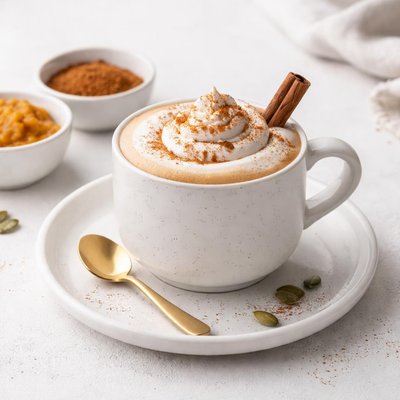
Warm up your mornings with a Low Carb Homemade Pumpkin Latte, the perfect fall-inspired beverage for keto and low-carb enthusiasts. This creamy and flavorful drink combines the comforting essence of pumpkin puree with aromatic pumpkin pie spice and a rich shot of espresso or strong brewed coffee. Sweetened with a sugar-free alternative and enriched by the subtle notes of vanilla, this latte is bursting with seasonal flair minus the carbs. Ready in just 10 minutes, it’s a quick and wholesome way to indulge your pumpkin spice cravings. Top it with a dollop of low-carb whipped cream and a sprinkle of cinnamon for an irresistible café-style presentation. Whether you’re embracing autumn or simply looking for a healthier coffeehouse option, this recipe proves that pumpkin spice and low-carb can be a match made in heaven!

Smart Nutrition Tracking with SnapCalorie

Explore More


Recipe Information
Ingredients
- 1 cup unsweetened almond milk
- 2 tablespoons pumpkin puree
- 1 shot espresso or strong brewed coffee
- 0.5 teaspoon pumpkin pie spice
- 0.5 teaspoon vanilla extract
- 1 tablespoon sugar-free sweetener
- 1 dollop whipped cream (optional, low carb)
- 1 pinch ground cinnamon (for garnish)
Instructions
In a small saucepan over medium heat, combine the unsweetened almond milk and pumpkin puree.
Heat the mixture until steaming, but do not boil.
Add the pumpkin pie spice, vanilla extract, and sugar-free sweetener, stirring well until all ingredients are fully combined.
Use an immersion blender or frother to froth the mixture until it becomes thick and creamy.
Pour the hot pumpkin milk mixture into a mug, holding back the froth.
Add the shot of espresso or brewed coffee to the mug and stir gently.
Spoon the frothed mixture on top.
If desired, add a dollop of low-carb whipped cream and a sprinkle of ground cinnamon on top.
Serve immediately and enjoy your low carb homemade pumpkin latte.
Nutrition Facts
Calories |
95 | ||
|---|---|---|---|
% Daily Value* |
|||
| Total Fat | 6.7 g | 9% | |
| Saturated Fat | 2.2 g | 11% | |
| Polyunsaturated Fat | 0.3 g | ||
| Cholesterol | 11 mg | 4% | |
| Sodium | 183 mg | 8% | |
| Total Carbohydrate | 6.7 g | 2% | |
| Dietary Fiber | 2.9 g | 10% | |
| Total Sugars | 1.6 g | ||
| Protein | 1.9 g | 4% | |
| Vitamin D | 2.6 mcg | 13% | |
| Calcium | 480 mg | 37% | |
| Iron | 1.0 mg | 5% | |
| Potassium | 154 mg | 3% | |
*The % Daily Value tells you how much a nutrient in a serving of food contributes to a daily diet. 2,000 calories a day is used for general nutrition advice.


