Leftover Turkey Salad
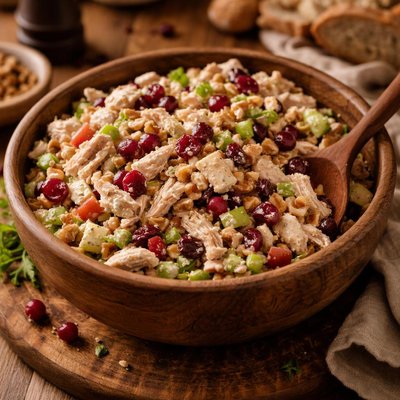
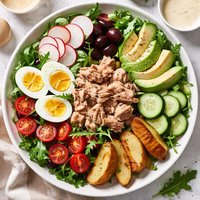
Transform your holiday leftovers into a fresh and flavorful meal with this Leftover Turkey Salad recipe! Featuring tender turkey combined with crunchy celery, sweet red bell pepper, and zesty red onion, this salad is tied together with a creamy, tangy dressing made from mayonnaise, Dijon mustard, and a splash of lemon juice. A sprinkle of fresh parsley adds a bright, herbaceous note, making this dish a delightful way to rejuvenate your post-holiday menu. Ready in just 15 minutes and perfect for lunch or an easy dinner, you can serve it over mixed greens for a light, healthy option or pair it with toasted bread or crackers for a heartier bite. This quick and versatile turkey salad is your go-to answer for repurposing leftovers while delivering maximum flavor!

Smart Nutrition Tracking with SnapCalorie


Recipe Information
Ingredients
- 2 cups cooked turkey
- 2 stalks celery
- 1 medium red bell pepper
- 0.5 small red onion
- 2 tablespoons fresh parsley
- 0.25 cup mayonnaise
- 1 teaspoon Dijon mustard
- 1 tablespoon lemon juice
- 0.25 teaspoon black pepper
- 0.25 teaspoon salt
- 4 cups mixed greens (optional, for serving)
- 1 serving toasted bread or crackers (optional, for serving)
Instructions
Shred or chop the leftover turkey into bite-sized pieces and place it in a large mixing bowl.
Dice the celery and red bell pepper into small pieces, and finely chop the red onion. Add these vegetables to the bowl with the turkey.
Chop the fresh parsley finely and add it to the mixture for an herbaceous touch.
In a small bowl, whisk together the mayonnaise, Dijon mustard, lemon juice, salt, and black pepper to create the dressing.
Pour the dressing over the turkey and vegetable mixture. Stir gently until all the ingredients are evenly coated.
Taste the salad and adjust seasoning with additional salt or pepper, if needed.
Serve the turkey salad on a bed of mixed greens or with toasted bread/crackers, if desired.
Nutrition Facts
Calories |
359 | ||
|---|---|---|---|
% Daily Value* |
|||
| Total Fat | 16.4 g | 21% | |
| Saturated Fat | 3.1 g | 15% | |
| Polyunsaturated Fat | 0.0 g | ||
| Cholesterol | 89 mg | 30% | |
| Sodium | 452 mg | 20% | |
| Total Carbohydrate | 15.9 g | 6% | |
| Dietary Fiber | 7.1 g | 25% | |
| Total Sugars | 3.5 g | ||
| Protein | 35.4 g | 71% | |
| Vitamin D | 0.0 mcg | 0% | |
| Calcium | 240 mg | 18% | |
| Iron | 5.3 mg | 29% | |
| Potassium | 1107 mg | 24% | |
*The % Daily Value tells you how much a nutrient in a serving of food contributes to a daily diet. 2,000 calories a day is used for general nutrition advice.


