Keto Traditional Cabbage Kimchi
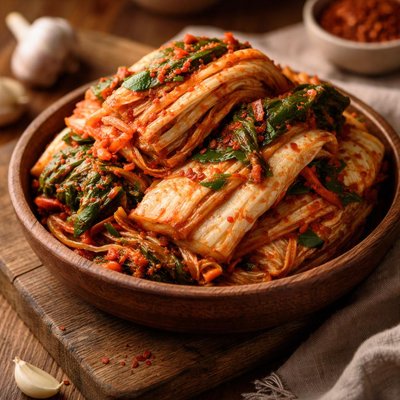
Discover the tangy, spicy, and probiotic-packed delight of Keto Traditional Cabbage Kimchi, a low-carb twist on the classic Korean staple. This recipe features crisp Napa cabbage, crunchy daikon radish, zesty garlic, and fiery gochugaru, all fermented to perfection for a flavorful and gut-friendly side dish. With no added sugars and a touch of low-carb sweetener, this keto kimchi boasts all the authentic flavors while staying diet-friendly. Simple ingredients like fish sauce and scallions combine to create a bold paste, which is massaged into the vegetables before a natural fermentation process brings it all to life. Ideal for meal prepping, this versatile dish enhances everything from grilled meats to cauliflower rice bowls. Perfect for those on a ketogenic diet, this homemade kimchi is bursting with umami and health benefits, making it a pantry essential you’ll want to whip up again and again.

Smart Nutrition Tracking with SnapCalorie

Recipe Information
Ingredients
- 2 heads Napa cabbage
- 0.25 cup Salt (unrefined, non-iodized)
- 1 medium-sized Daikon radish
- 6 stalks Scallions
- 6 cloves Garlic
- 1 inch Ginger
- 2-3 tablespoons Korean red pepper flakes (Gochugaru - ensure no added sugar)
- 3 tablespoons Fish sauce (check for no added sugar)
- 1 teaspoon Low-carb sweetener (e.g., erythritol)
- 8 cups Water
Instructions
Cut the napa cabbage into quarters lengthwise. Remove the core and chop into 2-inch pieces.
Dissolve the salt into 8 cups of water to create a brine. Submerge the cabbage in the brine, ensuring it is fully covered. Let it sit for 2 hours, tossing occasionally.
Meanwhile, julienne the daikon radish into thin strips and chop the scallions into 1-inch pieces. Set aside.
To prepare the kimchi paste, finely mince the garlic and ginger, or blend them into a smooth paste. Combine with the Gochugaru, fish sauce, and low-carb sweetener in a bowl to form a thick paste.
After 2 hours, drain the cabbage and rinse thoroughly under cold running water to remove excess salt. Squeeze out any extra water gently.
In a large mixing bowl, combine the brined cabbage, daikon radish, scallions, and kimchi paste. Use your hands (wear food-safe gloves if necessary) to massage the paste into the vegetables, ensuring everything is evenly coated.
Pack the kimchi tightly into a clean, sterilized glass jar, leaving about 1 inch of headspace at the top. Press down to remove any air pockets. Seal the jar loosely to allow fermentation gases to escape.
Place the jar in a cool, dark place for 2-5 days. Check the kimchi daily, pressing down to keep it submerged in its juices and tasting for your desired level of tanginess.
Once fermented to your liking, transfer the jar to the refrigerator to slow further fermentation. The kimchi can be enjoyed immediately but will develop deeper flavors over time.
Nutrition Facts
Calories |
29 | ||
|---|---|---|---|
% Daily Value* |
|||
| Total Fat | 0.9 g | 1% | |
| Saturated Fat | 0.2 g | 1% | |
| Polyunsaturated Fat | 0.2 g | ||
| Cholesterol | 0 mg | 0% | |
| Sodium | 1435 mg | 62% | |
| Total Carbohydrate | 4.4 g | 2% | |
| Dietary Fiber | 1.8 g | 6% | |
| Total Sugars | 2.0 g | ||
| Protein | 1.8 g | 4% | |
| Vitamin D | 0.0 mcg | 0% | |
| Calcium | 64 mg | 5% | |
| Iron | 0.7 mg | 4% | |
| Potassium | 169 mg | 4% | |
*The % Daily Value tells you how much a nutrient in a serving of food contributes to a daily diet. 2,000 calories a day is used for general nutrition advice.


