Keto Nilagang Baboy
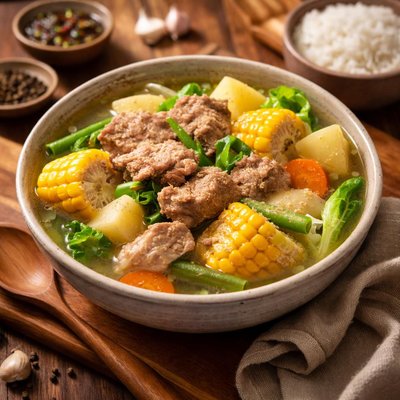
Indulge in the hearty and flavorful goodness of **Keto Nilagang Baboy**, a low-carb twist on the classic Filipino pork soup. This comforting dish features tender pork belly simmered in a savory broth infused with onion, black peppercorns, and fish sauce for an irresistibly rich flavor. Enhanced with vibrant vegetables like bok choy, radish, cabbage, and green beans, this keto-friendly recipe is packed with nutrients while keeping carbs in check. Perfect for family dinners or meal prepping, Keto Nilagang Baboy delivers satisfying warmth in every bowl without compromising your ketogenic goals. Serve it hot for a soul-soothing, deliciously guilt-free experience!

Smart Nutrition Tracking with SnapCalorie

Explore More
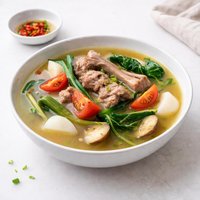
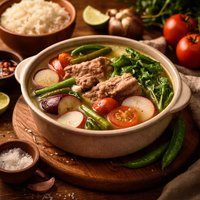
Recipe Information
Ingredients
- 2 pounds pork belly
- 8 cups water
- 1 medium, quartered onion
- 1 tablespoon black peppercorns
- 3 tablespoons fish sauce
- 1 cup, trimmed green beans
- 2 cups, chopped bok choy
- 1 medium, sliced radish
- 0.5 teaspoon salt
- 2 stalks, chopped green onions
- 2 cups, roughly chopped cabbage
Instructions
Start by preparing your ingredients. Trim the pork belly and cut it into large pieces. Slice the radish and chop the green onions. Set aside the vegetables for later use.
In a large pot, combine the pork belly and water. Bring to a boil over medium-high heat. Skim off any foam that forms on the surface.
Once boiling, reduce the heat to low. Add the quartered onion and black peppercorns. Let the pork simmer for about 60 minutes or until it becomes tender.
Add the fish sauce, sliced radish, and green beans to the pot. Continue to simmer for another 15 minutes until the radish is tender.
Mix in the chopped bok choy, cabbage, and salt. Simmer for an additional 10 minutes, allowing the vegetables to cook through.
Taste and adjust the seasoning if necessary. Stir in the chopped green onions just before serving.
Serve hot. Enjoy your Keto Nilagang Baboy as a comforting, low-carb meal.
Nutrition Facts
Calories |
818 | ||
|---|---|---|---|
% Daily Value* |
|||
| Total Fat | 80.6 g | 103% | |
| Saturated Fat | 28.6 g | 143% | |
| Polyunsaturated Fat | 0.0 g | ||
| Cholesterol | 109 mg | 36% | |
| Sodium | 866 mg | 38% | |
| Total Carbohydrate | 7.6 g | 3% | |
| Dietary Fiber | 2.3 g | 8% | |
| Total Sugars | 3.5 g | ||
| Protein | 15.8 g | 32% | |
| Vitamin D | 0.0 mcg | 0% | |
| Calcium | 105 mg | 8% | |
| Iron | 1.2 mg | 6% | |
| Potassium | 439 mg | 9% | |
*The % Daily Value tells you how much a nutrient in a serving of food contributes to a daily diet. 2,000 calories a day is used for general nutrition advice.


