Keto Mutton Curry
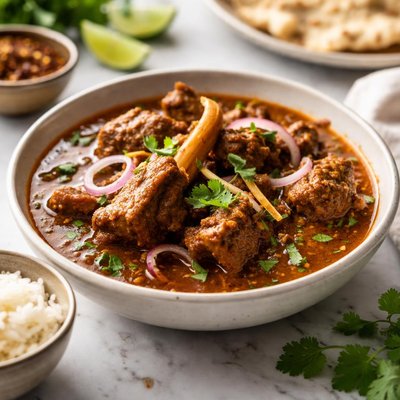
Indulge in a rich and flavorful **Keto Mutton Curry** that brings the essence of traditional Indian cuisine to your low-carb lifestyle. This hearty, one-pot dish combines tender, slow-cooked mutton with aromatic spices like cumin, garam masala, and coriander, all simmered in a luscious ghee-based gravy. The addition of pureed tomatoes and green chilies creates a perfectly balanced sauce that’s both spicy and comforting. With just 20 minutes of prep and minimal carbs, this keto-friendly curry pairs beautifully with cauliflower rice or almond flour naan for a satisfying meal that doesn’t compromise on taste. Ideal for cozy family dinners or meal prepping, this gluten-free, low-carb recipe delivers on flavor while keeping your macros in check!

Smart Nutrition Tracking with SnapCalorie


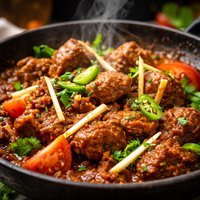

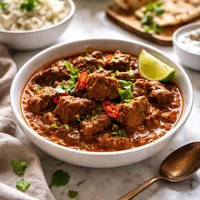
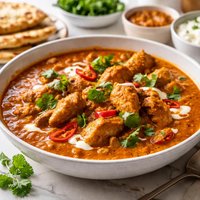
Recipe Information
Ingredients
- 1 kg Mutton
- 4 tablespoons Ghee
- 2 medium Onion, finely chopped
- 3 medium Tomatoes, pureed
- 2 tablespoons Ginger-Garlic Paste
- 1 teaspoon Turmeric Powder
- 1 teaspoon Red Chili Powder
- 2 teaspoons Coriander Powder
- 1 teaspoon Garam Masala
- 1 teaspoon Cumin Seeds
- 2 Green Chilies, slit
- 1.5 teaspoons Salt
- 2 cups Water
- 2 tablespoons Fresh Coriander, chopped
Instructions
Heat ghee in a large pot over medium heat.
Add cumin seeds and let them splutter for a few seconds.
Add onions and sauté until golden brown.
Stir in the ginger-garlic paste and cook for 2 minutes until the raw smell disappears.
Add mutton pieces and sauté until the meat is browned on all sides.
Mix in turmeric powder, red chili powder, coriander powder, and salt. Stir well.
Pour in the pureed tomatoes. Cook for 5 minutes until the oil starts to separate from the tomato paste.
Add green chilies and water. Stir to combine.
Cover the pot and let it simmer on low heat for 45-50 minutes, or until the mutton is tender.
Check the seasoning and adjust salt if needed.
Sprinkle garam masala and fresh coriander over the curry before serving.
Serve hot with a side of keto-friendly naan or cauliflower rice.
Nutrition Facts
Calories |
841 | ||
|---|---|---|---|
% Daily Value* |
|||
| Total Fat | 64.9 g | 83% | |
| Saturated Fat | 31.6 g | 158% | |
| Polyunsaturated Fat | 0.0 g | ||
| Cholesterol | 227 mg | 76% | |
| Sodium | 951 mg | 41% | |
| Total Carbohydrate | 19.2 g | 7% | |
| Dietary Fiber | 4.0 g | 14% | |
| Total Sugars | 7.9 g | ||
| Protein | 53.6 g | 107% | |
| Vitamin D | 0.0 mcg | 0% | |
| Calcium | 103 mg | 8% | |
| Iron | 9.0 mg | 50% | |
| Potassium | 1249 mg | 27% | |
*The % Daily Value tells you how much a nutrient in a serving of food contributes to a daily diet. 2,000 calories a day is used for general nutrition advice.


