Keto Homemade Tuna Salad
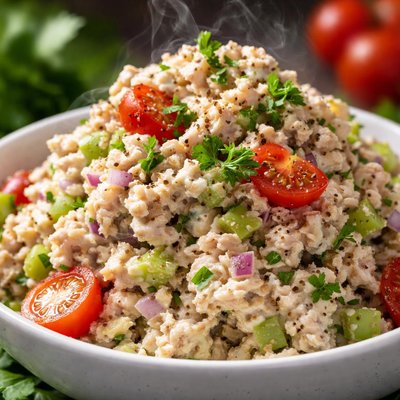
Elevate your meal prep with this delicious, protein-packed Keto Homemade Tuna Salad, tailored to fit perfectly into a low-carb lifestyle. Combining the rich flavor of canned tuna with a creamy mix of mayonnaise, vibrant celery, and tangy dill pickles, this recipe delivers on taste while keeping it healthy. Red onion and fresh parsley add pops of color and freshness, while a splash of lemon juice and Dijon mustard brighten the dish with subtle zest. Ready in just 15 minutes, this versatile salad can be served as a filling for ripe avocado halves or tucked into crisp romaine lettuce wraps for an extra keto-friendly crunch. Whether you're looking for a quick lunch or a satisfying snack, this effortless tuna salad ticks all the boxes for simplicity, taste, and nutrition. Perfect for keto dieters and seafood lovers alike!

Smart Nutrition Tracking with SnapCalorie


Recipe Information
Ingredients
- 2 cans (5 oz each), drained Canned tuna
- 0.5 cup Mayonnaise
- 1 stalk, finely chopped Celery
- 0.25 cup, finely chopped Red onion
- 2 tablespoons, finely chopped Dill pickles
- 1 tablespoon Lemon juice
- 1 teaspoon Dijon mustard
- 2 tablespoons, chopped Fresh parsley
- 0.25 teaspoon Salt
- 0.25 teaspoon Ground black pepper
- 1 whole, optional for serving Avocado
- 4 leaves, optional for serving Romaine lettuce leaves
Instructions
Open the canned tuna, drain the liquid, and transfer the tuna into a medium-sized mixing bowl.
Add the mayonnaise, chopped celery, red onion, and dill pickles to the bowl with the tuna.
Stir in the lemon juice and dijon mustard, incorporating all ingredients thoroughly.
Season the mixture with salt and ground black pepper.
Add the freshly chopped parsley and mix until evenly distributed.
Taste and adjust the seasoning if necessary, adding more salt, pepper, or lemon juice to your preference.
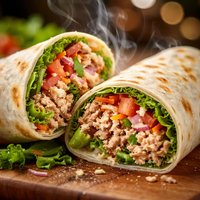
Serve the tuna salad as desired: fill halves of ripe avocados for added healthy fats or wrap the mixture in romaine lettuce leaves for a crispy keto-friendly option.
Nutrition Facts
Calories |
385 | ||
|---|---|---|---|
% Daily Value* |
|||
| Total Fat | 31.1 g | 40% | |
| Saturated Fat | 4.7 g | 23% | |
| Polyunsaturated Fat | 0.0 g | ||
| Cholesterol | 40 mg | 13% | |
| Sodium | 599 mg | 26% | |
| Total Carbohydrate | 7.4 g | 3% | |
| Dietary Fiber | 4.4 g | 16% | |
| Total Sugars | 1.7 g | ||
| Protein | 20.1 g | 40% | |
| Vitamin D | 3.2 mcg | 16% | |
| Calcium | 31 mg | 2% | |
| Iron | 1.7 mg | 9% | |
| Potassium | 519 mg | 11% | |
*The % Daily Value tells you how much a nutrient in a serving of food contributes to a daily diet. 2,000 calories a day is used for general nutrition advice.


