Keto Bibimbap Sauce
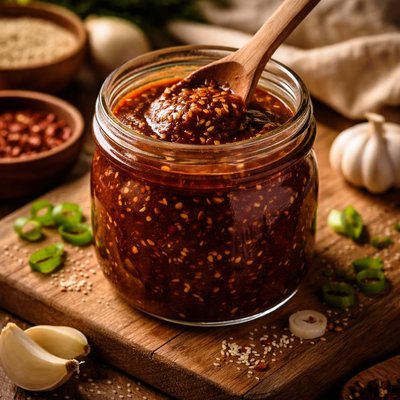
Transform your bibimbap experience with this vibrant Keto Bibimbap Sauce—a sugar-free twist on the classic Korean condiment! Packed with the umami-rich flavor of sugar-free gochujang paste, balanced by nutty sesame oil, tamari sauce, and a hint of tangy rice vinegar, this low-carb sauce is both bold and versatile. A touch of erythritol adds subtle sweetness, while fresh minced garlic, grated ginger, toasted sesame seeds, and chopped scallions deliver layers of flavor and texture. Ready in just 10 minutes and containing no added sugar, this keto-friendly sauce is perfect for drizzling over cauliflower rice, grilled veggies, or tender protein. It's a healthy, delicious way to elevate your Korean-inspired meals without compromising on taste or your lifestyle goals!

Smart Nutrition Tracking with SnapCalorie

Recipe Information
Ingredients
- 2 tablespoons Gochujang paste (sugar-free)
- 1 tablespoon Sesame oil
- 2 tablespoons Tamari sauce
- 1 teaspoon Rice vinegar
- 1 teaspoon Erythritol
- 2 cloves Garlic, minced
- 1 teaspoon Ginger, grated
- 1 teaspoon Sesame seeds
- 1 tablespoon Chopped scallions
Instructions
In a small mixing bowl, combine the sugar-free gochujang paste and sesame oil. Stir until well mixed.
Add the tamari sauce and rice vinegar to the mixture, stirring to incorporate them fully.
Mix in the erythritol, ensuring it dissolves completely for a balanced sweetness without sugar.
Add the minced garlic and grated ginger to the mixture, blending well to distribute evenly.
Stir in the sesame seeds, allowing them to integrate, adding texture to the sauce.
Finally, fold in the chopped scallions, and mix until all ingredients are combined.
Taste and adjust the seasoning if necessary. For a spicier version, consider adding more gochujang.
Serve immediately or store in an airtight container in the refrigerator for up to two weeks.
Nutrition Facts
Calories |
58 | ||
|---|---|---|---|
% Daily Value* |
|||
| Total Fat | 4.2 g | 5% | |
| Saturated Fat | 0.6 g | 3% | |
| Polyunsaturated Fat | 1.6 g | ||
| Cholesterol | 0 mg | 0% | |
| Sodium | 741 mg | 32% | |
| Total Carbohydrate | 5.2 g | 2% | |
| Dietary Fiber | 0.6 g | 2% | |
| Total Sugars | 0.1 g | ||
| Protein | 1.8 g | 4% | |
| Vitamin D | 0.0 mcg | 0% | |
| Calcium | 7 mg | 1% | |
| Iron | 0.3 mg | 1% | |
| Potassium | 59 mg | 1% | |
*The % Daily Value tells you how much a nutrient in a serving of food contributes to a daily diet. 2,000 calories a day is used for general nutrition advice.


