Kalua Pig in a Slow Cooker

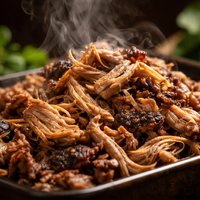
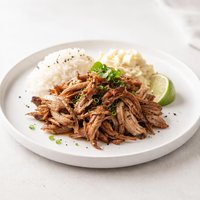
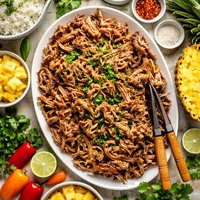
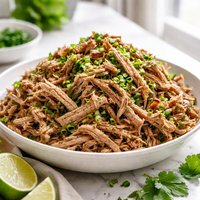
Experience the authentic flavors of Hawaii with this mouthwatering Kalua Pig in a Slow Cooker recipe, a simple yet impressive way to recreate a luau classic at home. Tender, smoky pork is the star of this dish, as it slowly cooks to perfection over 16 hours, infused with Hawaiian sea salt and a touch of liquid smoke for that signature deep, earthy flavor. Using a slow cooker brings all the traditional taste without the need for an underground imu, and optional banana leaves or foil add an extra layer of authenticity. Perfectly juicy and fall-apart tender, this kalua pig pairs beautifully with steamed rice, Hawaiian macaroni salad, or as the centerpiece for tropical-inspired meals. With just 10 minutes of prep time, this is slow-cooked simplicity at its finest!

Smart Nutrition Tracking with SnapCalorie

Explore More

Recipe Information
Ingredients
- 4 pounds Pork butt (or shoulder roast)
- 1 tablespoon Sea salt (preferably Hawaiian sea salt)
- 1.5 tablespoons Liquid smoke flavoring
- 2 sheets Banana leaves or aluminum foil (optional)
Instructions
Place the pork butt in the slow cooker.
Rub the sea salt evenly over the entire surface of the pork.
Drizzle the liquid smoke over the pork, ensuring the flavoring coats the meat evenly.
If using banana leaves, wrap the pork in the leaves before placing it back inside the slow cooker. Alternatively, you can cover the pork in aluminum foil for a similar effect.
Cover the slow cooker with its lid and cook on low for 16 hours, or until the pork is fall-apart tender.
Once cooked, carefully shred the pork with two forks directly in the slow cooker. Mix the shredded meat with the rendered juices for extra flavor.
Taste and adjust seasoning if needed. Add more sea salt if desired.
Serve warm with rice, Hawaiian macaroni salad, or your favorite sides. Enjoy!
Nutrition Facts
Calories |
757 | ||
|---|---|---|---|
% Daily Value* |
|||
| Total Fat | 60.6 g | 78% | |
| Saturated Fat | 21.1 g | 106% | |
| Polyunsaturated Fat | 0.0 g | ||
| Cholesterol | 212 mg | 71% | |
| Sodium | 1389 mg | 60% | |
| Total Carbohydrate | 0.3 g | 0% | |
| Dietary Fiber | 0.0 g | 0% | |
| Total Sugars | 0.0 g | ||
| Protein | 54.4 g | 109% | |
| Vitamin D | 0.0 mcg | 0% | |
| Calcium | 31 mg | 2% | |
| Iron | 2.5 mg | 14% | |
| Potassium | 821 mg | 17% | |
*The % Daily Value tells you how much a nutrient in a serving of food contributes to a daily diet. 2,000 calories a day is used for general nutrition advice.


