Japanese Style Miso Salad Dressing
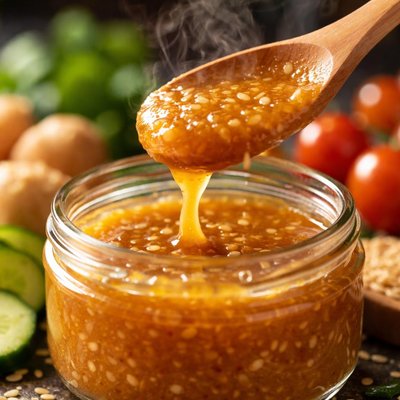
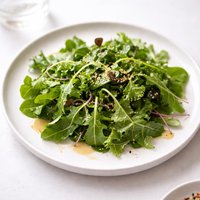
Elevate your salads with the bold, umami-packed flavors of this Japanese Style Miso Salad Dressing! This quick and easy recipe combines creamy white miso paste, tangy rice vinegar, and the nutty richness of sesame oil, balanced perfectly with a touch of honey or maple syrup for natural sweetness. Fresh ginger and garlic add vibrant aromatic notes, while a sprinkle of toasted sesame seeds brings optional texture and depth. Ready in just 10 minutes, this versatile dressing is perfect for drizzling over fresh greens, roasted vegetables, or even as a zesty dipping sauce. Healthy, flavorful, and irresistibly savory, it’s your new go-to for adding a Japanese-inspired twist to any dish!
Train Anywhere. No Excuses.
Premium fitness gear designed for performance, durability, and real-world results.
From home to gym to on-the-go


Recipe Information
Ingredients
- 3 tablespoons White miso paste
- 2 tablespoons Rice vinegar
- 1 tablespoon Soy sauce
- 1 tablespoon Sesame oil
- 1 tablespoon Honey or maple syrup
- 1 teaspoon Fresh ginger (grated)
- 1 clove Garlic (minced)
- 2 tablespoons Water
- 1 teaspoon Toasted sesame seeds (optional)
Instructions
In a small mixing bowl, whisk together white miso paste, rice vinegar, and soy sauce until smooth and well combined.
Gradually whisk in sesame oil to create a creamy emulsion.
Stir in honey or maple syrup for a hint of sweetness to balance the flavors.
Add freshly grated ginger and minced garlic, mixing thoroughly to distribute the aromatics.
Slowly whisk in water to adjust the consistency to your liking. Add more water if a thinner dressing is desired.
Optionally, stir in toasted sesame seeds for extra flavor and texture.
Taste the dressing and adjust seasoning as needed (add a pinch of salt if necessary).
Transfer the dressing to a jar or container with a tight lid. Shake well before using.
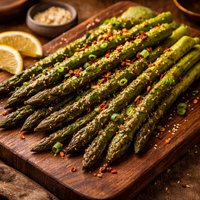
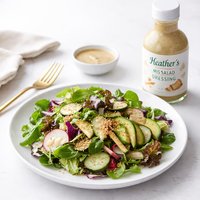
Serve over fresh greens, grilled vegetables, or as a dipping sauce. Refrigerate leftovers in an airtight container for up to one week.
Nutrition Facts
Calories |
51 | ||
|---|---|---|---|
% Daily Value* |
|||
| Total Fat | 3.0 g | 4% | |
| Saturated Fat | 0.4 g | 2% | |
| Polyunsaturated Fat | 1.0 g | ||
| Cholesterol | 0 mg | 0% | |
| Sodium | 361 mg | 16% | |
| Total Carbohydrate | 5.4 g | 2% | |
| Dietary Fiber | 0.3 g | 1% | |
| Total Sugars | 3.4 g | ||
| Protein | 0.9 g | 2% | |
| Vitamin D | 0.0 mcg | 0% | |
| Calcium | 9 mg | 1% | |
| Iron | 0.2 mg | 1% | |
| Potassium | 29 mg | 1% | |
*The % Daily Value tells you how much a nutrient in a serving of food contributes to a daily diet. 2,000 calories a day is used for general nutrition advice.



