How to Steam a Lobster
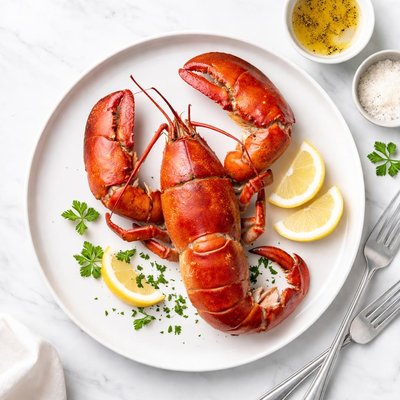
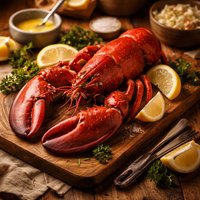
Master the art of preparing restaurant-quality seafood at home with this step-by-step guide on how to steam a lobster. This simple and foolproof recipe transforms fresh, live lobster into tender, juicy, and perfectly cooked meat, ready to be savored with melted butter and a squeeze of zesty lemon. By steaming the lobster, you lock in its natural sweetness and succulent texture while avoiding the risk of overcooking. With just three essential ingredients—water, salt, and a live lobster—plus optional accompaniments of butter and lemon, this quick and easy recipe is perfect for any special occasion or indulgent dinner. Impress your guests or treat yourself to a luxurious seafood feast with this no-fail technique!

Smart Nutrition Tracking with SnapCalorie





Recipe Information
Ingredients
- 1 lobster (approximately 1.5 pounds) Live lobster
- 2 cups Water
- 1 tablespoon Salt
- 4 tablespoons Unsalted butter (optional, for serving)
- 2 lemons Lemon wedges (optional, for serving)
Instructions
Fill a large pot with 2 cups of water and add 1 tablespoon of salt.
Place a steaming rack or basket in the pot, ensuring it sits above the water level.
Bring the water to a rolling boil over high heat.
Using tongs, carefully place the live lobster on the steaming rack, shell-side up, making sure its tail doesn't touch the boiling water.
Cover the pot with a tight-fitting lid to trap the steam.
Steam the lobster for approximately 10-12 minutes for a 1.5-pound lobster, adding an additional 2 minutes for each additional half-pound. The lobster is done when the shell turns bright red and the tail curls tightly.
Remove the lobster carefully from the pot using tongs and let it rest on a plate for 2-3 minutes to cool slightly.
Serve the steamed lobster with melted butter and lemon wedges on the side, if desired.
Nutrition Facts
Calories |
985 | ||
|---|---|---|---|
% Daily Value* |
|||
| Total Fat | 53.6 g | 69% | |
| Saturated Fat | 31.1 g | 155% | |
| Polyunsaturated Fat | 0.0 g | ||
| Cholesterol | 616 mg | 205% | |
| Sodium | 8726 mg | 379% | |
| Total Carbohydrate | 15.5 g | 6% | |
| Dietary Fiber | 4.2 g | 15% | |
| Total Sugars | 4.2 g | ||
| Protein | 114.4 g | 229% | |
| Vitamin D | 0.9 mcg | 5% | |
| Calcium | 737 mg | 57% | |
| Iron | 2.8 mg | 16% | |
| Potassium | 1816 mg | 39% | |
*The % Daily Value tells you how much a nutrient in a serving of food contributes to a daily diet. 2,000 calories a day is used for general nutrition advice.


