
How to Blanch Split Sliver Almonds
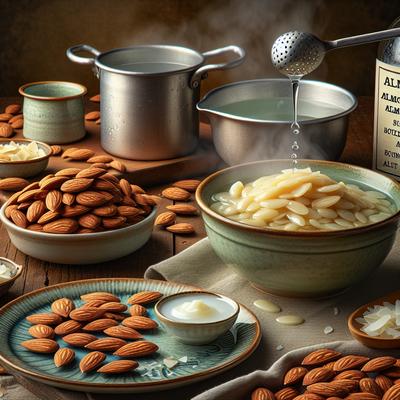
Master the simple yet essential technique of how to blanch split sliver almonds with this quick and foolproof guide! Whether you're preparing almonds for baking, cooking, or snacking, this recipe ensures perfectly skin-free, crisp slivers every time. In just 10 minutes, you'll learn how to boil and chill the almonds to loosen their skins effortlessly, maintaining their delicate texture and nutty flavor. Perfect for enhancing salads, desserts, or savory dishes, this easy blanching method is a must-know culinary skill. Optimize your cooking with this step-by-step approach and elevate your recipes with perfectly prepped almonds!

Log this recipe in SnapCalorie

Recipe Information
Ingredients
- 1 cup Split sliver almonds
- 4 cups Water
Instructions
Bring 4 cups of water to a rolling boil in a medium-sized saucepan.
While the water is heating, measure out 1 cup of split sliver almonds and set them aside.
Once the water is boiling, carefully add the almonds to the pot and stir briefly to ensure they are fully submerged.
Allow the almonds to boil for 1 minute only. Do not over-boil as this can soften the almonds excessively and affect the texture.
Drain the almonds immediately using a fine-mesh strainer or colander. Rinse them under cold running water to halt the cooking process.
Spread out the almonds onto a clean kitchen towel or paper towels and gently pat them dry.
If the almond skins are still attached, gently pinch each sliver between your thumb and forefinger to remove the skin. Repeat until all almonds are blanched and skin-free.
Allow the almonds to air dry completely or use them immediately in your recipe.
Nutrition Facts
Calories |
640 | ||
|---|---|---|---|
% Daily Value* |
|||
| Total Fat | 56.0 g | 72% | |
| Saturated Fat | 4.0 g | 20% | |
| Polyunsaturated Fat | 0.0 g | ||
| Cholesterol | 0 mg | 0% | |
| Sodium | 29 mg | 1% | |
| Total Carbohydrate | 24.0 g | 9% | |
| Dietary Fiber | 12.0 g | 43% | |
| Total Sugars | 4.0 g | ||
| Protein | 24.0 g | 48% | |
| Vitamin D | 0.0 mcg | 0% | |
| Calcium | 362 mg | 28% | |
| Iron | 4.0 mg | 22% | |
| Potassium | 800 mg | 17% | |
*The % Daily Value tells you how much a nutrient in a serving of food contributes to a daily diet. 2,000 calories a day is used for general nutrition advice.


