Honey Mustard Marinade

Brighten up your dishes with this irresistible Honey Mustard Marinade, a quick and easy recipe that strikes the perfect balance between sweet, tangy, and savory flavors. Made with just eight pantry staples like golden honey, sharp Dijon mustard, and freshly squeezed lemon juice, this marinade brings bold taste to your favorite proteins or vegetables in just 5 minutes. A touch of smoked paprika and minced garlic adds depth, while olive oil creates a silky emulsion that ensures every bite is bursting with flavor. Perfect for grilling, roasting, or pan-frying, this versatile marinade is a game-changer whether you're prepping chicken, pork, seafood, or veggies. Simple yet sophisticated, it’s a must-try for busy weeknights or your next barbecue!

Smart Nutrition Tracking with SnapCalorie


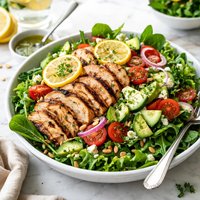
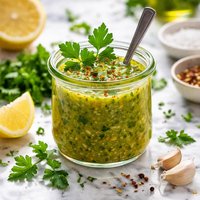
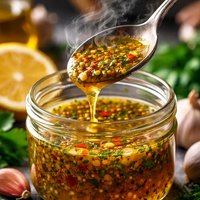
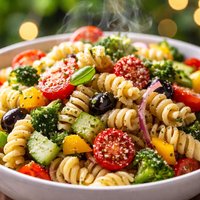
Recipe Information
Ingredients
- 3 tablespoons Honey
- 3 tablespoons Dijon mustard
- 4 tablespoons Olive oil
- 2 tablespoons Lemon juice (freshly squeezed)
- 2 cloves Garlic (minced)
- 0.5 teaspoons Paprika
- 0.5 teaspoons Salt
- 0.25 teaspoons Black pepper
Instructions
In a medium-sized mixing bowl, combine honey and Dijon mustard. Whisk until smooth and well combined.
Slowly drizzle in the olive oil while whisking continuously to create a smooth emulsion.
Add the freshly squeezed lemon juice to the bowl and whisk to incorporate.
Stir in the minced garlic, paprika, salt, and black pepper. Mix thoroughly to blend the flavors.
Taste the marinade and adjust seasoning if needed, adding more salt, pepper, or lemon juice to suit your preference.
Use immediately to marinate your desired protein or vegetables. Place your food choice and the marinade in a resealable plastic bag or airtight container, and refrigerate for at least 30 minutes (or up to 24 hours for a more intense flavor).
Discard any excess marinade and cook your marinated items as desired—grill, roast, or pan-fry.
Nutrition Facts
Calories |
194 | ||
|---|---|---|---|
% Daily Value* |
|||
| Total Fat | 15.8 g | 20% | |
| Saturated Fat | 1.9 g | 10% | |
| Polyunsaturated Fat | 0.0 g | ||
| Cholesterol | 0 mg | 0% | |
| Sodium | 503 mg | 22% | |
| Total Carbohydrate | 14.0 g | 5% | |
| Dietary Fiber | 0.2 g | 1% | |
| Total Sugars | 13.0 g | ||
| Protein | 0.2 g | 0% | |
| Vitamin D | 0.0 mcg | 0% | |
| Calcium | 4 mg | 0% | |
| Iron | 0.2 mg | 1% | |
| Potassium | 29 mg | 1% | |
*The % Daily Value tells you how much a nutrient in a serving of food contributes to a daily diet. 2,000 calories a day is used for general nutrition advice.


