Honey Dill Vinaigrette
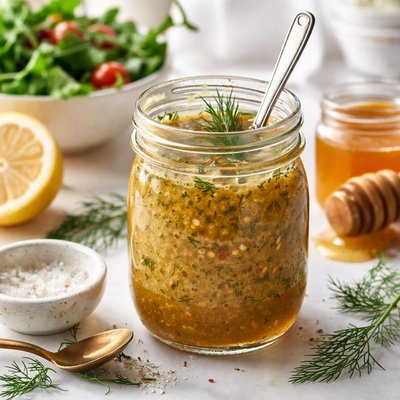
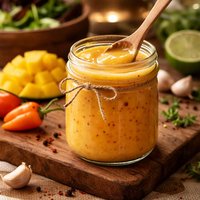
Elevate your salads and roasted vegetables with this vibrant Honey Dill Vinaigrette—a perfect blend of sweet, tangy, and herbaceous flavors. This quick and easy homemade dressing comes together in just 5 minutes using pantry staples like olive oil, apple cider vinegar, honey, and Dijon mustard, all balanced with a hint of dried dill and garlic powder. The result is a silky, emulsified vinaigrette that's as versatile as it is delicious. Ideal for drizzling over fresh greens or as a marinade for grilled meats, this recipe is naturally gluten-free and can be customized to your taste. With its irresistible combination of flavors and simple preparation, this honey dill salad dressing is sure to become your go-to for effortless meal enhancements.

Smart Nutrition Tracking with SnapCalorie

Explore More
Recipe Information
Ingredients
- 0.5 cup Olive oil
- 3 tablespoons Apple cider vinegar
- 2 tablespoons Honey
- 1 teaspoon Dijon mustard
- 1 teaspoon Dried dill
- 0.5 teaspoon Garlic powder
- 0.25 teaspoon Salt
- 0.25 teaspoon Black pepper
- 1 tablespoon Water (optional, for thinning)
Instructions
In a medium-sized bowl or a jar with a lid, combine olive oil, apple cider vinegar, honey, and Dijon mustard.
Add dried dill, garlic powder, salt, and black pepper to the mix.
Whisk everything together briskly until the dressing is emulsified, or shake the jar vigorously for about 30 seconds if using one.
Taste the vinaigrette and adjust seasoning if needed. Add more honey for extra sweetness, vinegar for tanginess, or a pinch of salt as desired.
If the dressing is too thick, stir in water, 1 teaspoon at a time, until it reaches your preferred consistency.
Transfer the vinaigrette to a serving container and refrigerate for at least 10 minutes to let the flavors meld before serving.
Store any leftovers in a sealed container in the refrigerator for up to 1 week. Shake well before using.
Nutrition Facts
Calories |
186 | ||
|---|---|---|---|
% Daily Value* |
|||
| Total Fat | 18.3 g | 23% | |
| Saturated Fat | 2.7 g | 13% | |
| Polyunsaturated Fat | 0.0 g | ||
| Cholesterol | 0 mg | 0% | |
| Sodium | 101 mg | 4% | |
| Total Carbohydrate | 6.0 g | 2% | |
| Dietary Fiber | 0.1 g | 0% | |
| Total Sugars | 5.7 g | ||
| Protein | 0.1 g | 0% | |
| Vitamin D | 0.0 mcg | 0% | |
| Calcium | 5 mg | 0% | |
| Iron | 0.2 mg | 1% | |
| Potassium | 16 mg | 0% | |
*The % Daily Value tells you how much a nutrient in a serving of food contributes to a daily diet. 2,000 calories a day is used for general nutrition advice.


