Homemade Sour Cabbage

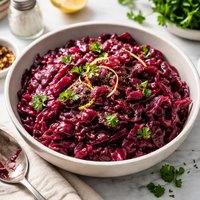
Transform your kitchen into a fermentation haven with this simple yet rewarding recipe for Homemade Sour Cabbage! Perfect for fans of tangy, probiotic-rich foods, this DIY guide takes you through the art of fermenting fresh cabbage into a flavorful and gut-friendly delight. With just two main ingredients—crisp, large cabbage heads and natural salt—plus an optional sprinkle of aromatic caraway seeds, this recipe offers a wonderfully customizable flavor profile. The hands-on preparation process, including massaging the cabbage and packing it tightly for fermentation, ensures a foolproof result bursting with satisfying crunch and acidity. After a week or two of fermenting at room temperature, this sour cabbage becomes a versatile masterpiece—ideal as a zesty side dish or as a flavorful addition to soups, stews, and sandwiches. Perfect for health-conscious foodies and fermentation enthusiasts alike, this recipe is your gateway to creating an all-natural, preservative-free pantry staple right at home!

Smart Nutrition Tracking with SnapCalorie


Recipe Information
Ingredients
- 2 large heads Cabbage
- 3 tablespoons Salt
- 1 teaspoon Caraway seeds (optional)
- cups Water (as needed)
Instructions
Start by removing the outer leaves of the cabbage. Cut each cabbage head into quarters and remove the core from each section.
Thinly slice the cabbage quarters into shreds using a sharp knife or a mandoline slicer for uniformity.
Place the shredded cabbage into a large mixing bowl and sprinkle with salt. Use 1 tablespoon of salt per pound of cabbage.
If desired, add caraway seeds for additional flavor at this stage.
Using clean hands, massage the salt into the cabbage. This process should take about 5-10 minutes, until the cabbage softens and begins to release liquid.
Once the cabbage is sufficiently massaged, transfer it and its juice into a clean, wide-mouthed fermentation jar or crock. Pack the cabbage tightly to remove any air pockets, using a wooden spoon or a clean fist.
Ensure that the cabbage is completely submerged under its liquid. If it doesn't produce enough liquid, add a little water to cover the cabbage completely.
Place a fermentation weight or a small plate and a clean stone on top of the cabbage to keep it submerged.
Cover the jar or crock with a clean cloth or fermentation lid to allow gases to escape.
Store the container at a cool room temperature (around 65-75°F or 18-24°C) away from direct sunlight for about 1-2 weeks, or until the desired level of sourness is achieved.
Check the cabbage daily to ensure it's submerged and to scrape off any surface mold or scum.
Once fermented to your preference, transfer the sour cabbage to jars with lids and refrigerate. It will continue to develop flavor slowly in the fridge.
Serve your homemade sour cabbage as a delicious side dish or incorporate it into your favorite recipes.
Nutrition Facts
Calories |
38 | ||
|---|---|---|---|
% Daily Value* |
|||
| Total Fat | 0.2 g | 0% | |
| Saturated Fat | 0.0 g | 0% | |
| Polyunsaturated Fat | 0.0 g | ||
| Cholesterol | 0 mg | 0% | |
| Sodium | 1118 mg | 49% | |
| Total Carbohydrate | 8.7 g | 3% | |
| Dietary Fiber | 3.8 g | 14% | |
| Total Sugars | 4.7 g | ||
| Protein | 2.0 g | 4% | |
| Vitamin D | 0.0 mcg | 0% | |
| Calcium | 61 mg | 5% | |
| Iron | 0.8 mg | 4% | |
| Potassium | 257 mg | 5% | |
*The % Daily Value tells you how much a nutrient in a serving of food contributes to a daily diet. 2,000 calories a day is used for general nutrition advice.


