Homemade Kefir
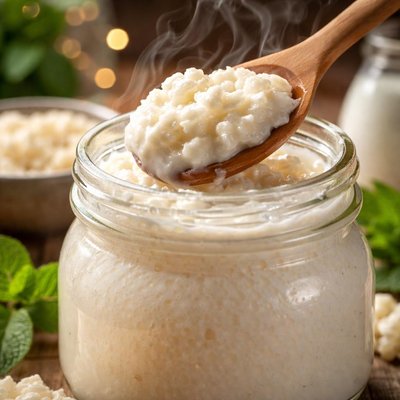
Unlock the secret to gut-friendly nutrition with this easy and delicious homemade kefir recipe! Made with just two simple ingredients—whole milk and live kefir grains—this fermented drink is packed with probiotics that support digestive health and boost immunity. Learn how to create your own creamy, tangy kefir in less than 10 minutes of prep time, using natural fermentation techniques that require no special equipment. The recipe highlights essential steps like avoiding metal utensils to protect the integrity of the kefir grains and achieving the perfect fermentation temperature for optimal flavor. Whether you enjoy it chilled on its own, blended into smoothies, or as a base for dressings and sauces, this DIY kefir is a versatile, cost-effective way to bring the benefits of fermented foods into your daily routine. Perfect for beginners and enthusiasts alike, this guide makes culturing your own kefir at home both simple and rewarding!

Smart Nutrition Tracking with SnapCalorie

Explore More


Recipe Information
Ingredients
- 4 cups Whole milk
- 2 tablespoons Kefir grains
Instructions
Ensure all utensils and jars are sterilized before beginning to avoid contamination.
In a clean glass jar, add 4 cups of whole milk. The milk can be cold or at room temperature, but avoid using ultra-pasteurized varieties for the best results.
Gently add 2 tablespoons of kefir grains to the jar with the milk. Stir lightly with a wooden or plastic spoon. Avoid any contact with metal as it can react with the grains.
Cover the jar loosely with a breathable cloth or paper towel secured with a rubber band. This ensures airflow while preventing contaminants from entering.
Let the mixture sit at room temperature (around 68–78°F or 20–26°C) for 24 to 48 hours, depending on the desired level of fermentation. The mixture is ready when it thickens and develops a tangy flavor.
Once fermentation is complete, strain the kefir through a plastic or nylon strainer into a clean container to separate the grains from the liquid. Stir gently to help the liquid pass through without damaging the grains.
Transfer the strained kefir to a sealed glass jar and store it in the refrigerator. It can be consumed immediately but tastes best after chilling for a few hours.
Rinse the kefir grains with cool, filtered water and reuse them for your next batch or store them in a small amount of milk in the fridge for up to a week.
Nutrition Facts
Calories |
153 | ||
|---|---|---|---|
% Daily Value* |
|||
| Total Fat | 8.0 g | 10% | |
| Saturated Fat | 5.0 g | 25% | |
| Polyunsaturated Fat | 0.0 g | ||
| Cholesterol | 25 mg | 8% | |
| Sodium | 108 mg | 5% | |
| Total Carbohydrate | 12.6 g | 5% | |
| Dietary Fiber | 0.0 g | 0% | |
| Total Sugars | 12.3 g | ||
| Protein | 8.3 g | 17% | |
| Vitamin D | 3.1 mcg | 15% | |
| Calcium | 285 mg | 22% | |
| Iron | 0.0 mg | 0% | |
| Potassium | 333 mg | 7% | |
*The % Daily Value tells you how much a nutrient in a serving of food contributes to a daily diet. 2,000 calories a day is used for general nutrition advice.


