Homemade Cranberry Juice

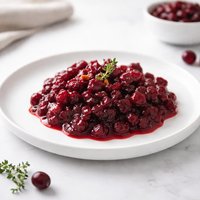
Refreshingly tart and naturally vibrant, homemade cranberry juice is a must-try drink that’s as healthy as it is delicious. Made with just three simple ingredients—fresh or frozen cranberries, water, and an optional touch of granulated sugar—this easy recipe comes together in under 20 minutes. Perfectly customizable, you can adjust the sweetness to suit your taste or keep it unsweetened for a pure and tangy flavor profile. Strained for a smooth finish, the juice is ideal served chilled over ice or as a base for mocktails and cocktails alike. Packed with antioxidants and free from artificial additives, this cranberry juice is a wholesome, crave-worthy addition to your beverage rotation.

Smart Nutrition Tracking with SnapCalorie

Recipe Information
Ingredients
- 12 ounces fresh or frozen cranberries
- 4 cups water
- 0.25 cups granulated sugar (optional)
Instructions
Rinse the cranberries thoroughly under cold water and set them aside.
In a medium-sized saucepan, combine the cranberries and water.
Bring the mixture to a boil over medium-high heat.
Once boiling, reduce the heat to medium-low and let the mixture simmer for 10 minutes, or until the cranberries burst and soften.
Remove the saucepan from the heat and allow the mixture to cool slightly.
Carefully strain the liquid through a fine-mesh sieve or cheesecloth into a separate container, pressing the cranberries with a spoon to extract as much juice as possible.
If desired, stir in granulated sugar to the strained juice while it is still warm, adjusting the sweetness to your taste.
Allow the juice to cool completely, then transfer it to a pitcher or a sealed container.
Refrigerate for at least 1 hour before serving.
Serve chilled over ice or as a base for other beverages.
Nutrition Facts
Calories |
89 | ||
|---|---|---|---|
% Daily Value* |
|||
| Total Fat | 0.0 g | 0% | |
| Saturated Fat | 0.0 g | 0% | |
| Polyunsaturated Fat | 0.0 g | ||
| Cholesterol | 0 mg | 0% | |
| Sodium | 12 mg | 1% | |
| Total Carbohydrate | 23.0 g | 8% | |
| Dietary Fiber | 4.1 g | 14% | |
| Total Sugars | 16.2 g | ||
| Protein | 0.3 g | 1% | |
| Vitamin D | 0.0 mcg | 0% | |
| Calcium | 31 mg | 2% | |
| Iron | 0.3 mg | 2% | |
| Potassium | 72 mg | 2% | |
*The % Daily Value tells you how much a nutrient in a serving of food contributes to a daily diet. 2,000 calories a day is used for general nutrition advice.


