High Protein Wholemeal Sourdough Bread
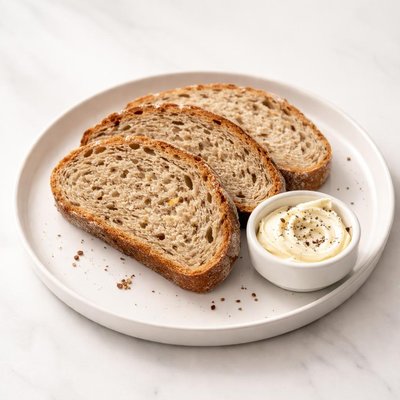
Elevate your bread-baking game with this High Protein Wholemeal Sourdough Bread, a hearty and nutritious take on a classic loaf. Boosted with the goodness of wholemeal flour, vital wheat gluten, and plant-based protein powder, this bread packs a protein punch while maintaining the rich, tangy flavor of traditional sourdough. The long fermentation process, including an overnight cold proof, develops complex flavors and a soft yet robust texture, making it perfect for everything from sandwiches to toasts. Whether you're looking to add more protein to your diet or simply enjoy artisan sourdough at home, this recipe combines wholesome ingredients with tried-and-true sourdough techniques for an irresistibly healthy slice.

Smart Nutrition Tracking with SnapCalorie

Explore More
Recipe Information
Ingredients
- 150 g Active sourdough starter
- 400 g Wholemeal flour
- 20 g Vital wheat gluten
- 30 g Plant-based protein powder (unflavored, unsweetened)
- 300 ml Warm water
- 8 g Salt
Instructions
In a large mixing bowl, combine the wholemeal flour, vital wheat gluten, and plant-based protein powder.
In a separate bowl, mix the active sourdough starter with warm water until fully dissolved.
Gradually add the wet mixture to the dry ingredients, stirring with a spatula or your hands until a shaggy dough forms.
Cover the bowl with a damp towel and let the dough rest (autolyse) for 30 minutes. This helps hydrate the flour and kickstarts gluten development.
After resting, add the salt to the dough. Knead it gently or use stretch-and-fold techniques for 5-6 minutes to ensure the salt is evenly incorporated.
Cover the dough and allow it to bulk ferment at room temperature for 4-6 hours, performing stretch-and-folds every 30 minutes for the first 2-3 hours.
Once the dough has risen and shows bubbles on the surface, transfer it to a floured work surface. Shape it into a round or oval loaf and place it in a proofing basket or a lined bowl, seam side up.
Cover the dough loosely and refrigerate overnight (8-12 hours) for a cold proof. This step deepens the flavor of the sourdough and develops a firm structure.
The next day, preheat your oven to 250°C (480°F) with a Dutch oven or baking stone inside for at least 30 minutes.
Remove the dough from the fridge and gently transfer it onto a piece of parchment paper. Score the top with a sharp razor or lame to allow for expansion during baking.
Carefully transfer the dough (on the parchment paper) into the preheated Dutch oven or onto the baking stone. If using a Dutch oven, cover it with the lid. Reduce the oven temperature to 230°C (450°F).
Bake for 20 minutes with the lid on (or with steam if using a baking stone), then remove the lid or cease steaming and bake for an additional 20 minutes until the crust is deep brown and the loaf sounds hollow when tapped on the bottom.
Allow the bread to cool completely on a wire rack before slicing. This step is crucial to set the crumb structure and let the flavors develop fully.
Nutrition Facts
Calories |
1635 | ||
|---|---|---|---|
% Daily Value* |
|||
| Total Fat | 12.8 g | 16% | |
| Saturated Fat | 2.7 g | 14% | |
| Polyunsaturated Fat | 0.0 g | ||
| Cholesterol | 0 mg | 0% | |
| Sodium | 3388 mg | 147% | |
| Total Carbohydrate | 309.3 g | 112% | |
| Dietary Fiber | 47.4 g | 169% | |
| Total Sugars | 2.7 g | ||
| Protein | 91.2 g | 182% | |
| Vitamin D | 0.0 mcg | 0% | |
| Calcium | 258 mg | 20% | |
| Iron | 21.9 mg | 122% | |
| Potassium | 1749 mg | 37% | |
*The % Daily Value tells you how much a nutrient in a serving of food contributes to a daily diet. 2,000 calories a day is used for general nutrition advice.


