
High Protein Onsen Egg
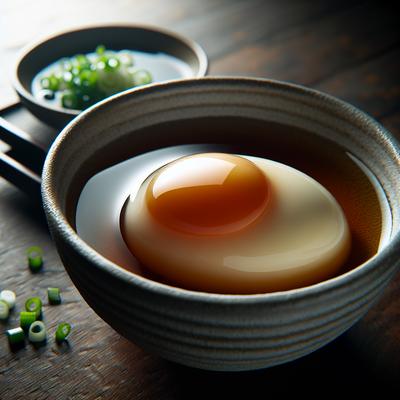
Indulge in the delicate, velvety luxury of this High Protein Onsen Egg recipe—a modern twist on the classic Japanese favorite. Crafted with a silky combination of traditional onsen eggs and a light, flavorful egg white sauce infused with soy sauce and mirin, this dish is as nutritious as it is elegant. High in protein and low in complexity, it’s ideal for fitness enthusiasts or those seeking a high-protein alternative to standard egg dishes. The slow-cooked eggs achieve an irresistibly soft texture, while the savory egg white sauce and crisp green onions add depth and freshness. Perfect as an appetizer, snack, or post-workout meal, this onsen egg recipe is a delicious, health-conscious way to elevate your egg game. Ready in under 35 minutes, it's simplicity and sophistication at its finest!

Log this recipe in SnapCalorie

Recipe Information
Ingredients
- 4 pieces large eggs
- 4 pieces egg whites
- 1 liter water
- 2 tablespoons soy sauce
- 2 tablespoons mirin
- 2 tablespoons green onions, finely chopped
Instructions
Bring the 1 liter of water to a boil in a medium-sized pot.
Once boiling, remove the pot from the heat and let sit for 1 minute to cool slightly.
Carefully add the 4 large eggs to the water using a spoon, ensuring they are fully submerged.
Cover the pot with a lid and let the eggs sit in the warm water for 17 minutes.
After 17 minutes, transfer the eggs to a bowl of ice water to stop the cooking process. Let them cool for 10 minutes.
In a mixing bowl, whisk together the 4 egg whites with the soy sauce and mirin.
Gently crack and peel the cooled onsen eggs, aiming to keep the eggs intact.
Serve each egg in a bowl, topped with a portion of the whisked egg white mixture.
Garnish with finely chopped green onions before serving.
Nutrition Facts
Calories |
456 | ||
|---|---|---|---|
% Daily Value* |
|||
| Total Fat | 20.2 g | 26% | |
| Saturated Fat | 6.0 g | 30% | |
| Polyunsaturated Fat | 0.0 g | ||
| Cholesterol | 744 mg | 248% | |
| Sodium | 1688 mg | 73% | |
| Total Carbohydrate | 27.0 g | 10% | |
| Dietary Fiber | 1.0 g | 4% | |
| Total Sugars | 17.7 g | ||
| Protein | 41.6 g | 83% | |
| Vitamin D | 4.0 mcg | 20% | |
| Calcium | 213 mg | 16% | |
| Iron | 5.0 mg | 28% | |
| Potassium | 705 mg | 15% | |
*The % Daily Value tells you how much a nutrient in a serving of food contributes to a daily diet. 2,000 calories a day is used for general nutrition advice.


