High Protein Almond Milk Latte

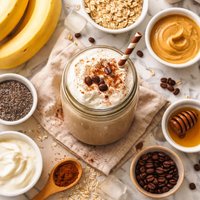
Elevate your coffee routine with this High Protein Almond Milk Latte, a creamy, energizing drink that combines the rich flavor of freshly brewed espresso with the protein-packed benefits of vanilla protein powder. Crafted with unsweetened almond milk, a touch of maple syrup, and a hint of warming cinnamon, this latte strikes the perfect balance between indulgence and nutrition. Whether served steamy or iced, it’s ready in just 10 minutes and ideal for a post-workout boost, a mid-morning pick-me-up, or a guilt-free treat. Packed with plant-based protein, this recipe is dairy-free, gluten-free, and incredibly easy to make. Perfect for busy mornings and those looking for a healthier spin on their favorite coffee shop classic!

Smart Nutrition Tracking with SnapCalorie


Recipe Information
Ingredients
- 1 cup unsweetened almond milk
- 1 shot brewed espresso
- 1 scoop vanilla protein powder
- 1 teaspoon maple syrup
- 0.5 teaspoon vanilla extract
- 0.25 teaspoon ground cinnamon
- 3 pieces ice cubes
Instructions
Brew a fresh shot of espresso using your espresso machine or stovetop espresso maker.
In a small saucepan over low heat, warm the almond milk gently until just warm but not boiling.
Transfer the warmed almond milk to a blender. Add the vanilla protein powder, maple syrup, vanilla extract, and ground cinnamon.
Blend the mixture for 15-20 seconds until the protein powder is fully dissolved and the mixture is frothy.
Add the shot of brewed espresso into a large mug or heat-resistant glass.
Pour the blended protein almond milk mix over the espresso, stirring gently to incorporate.
For an iced option, add ice cubes to the mug before pouring the protein almond milk mixture over the espresso.
Serve immediately and enjoy your high-protein almond milk latte.
Nutrition Facts
Calories |
177 | ||
|---|---|---|---|
% Daily Value* |
|||
| Total Fat | 3.4 g | 4% | |
| Saturated Fat | 0.6 g | 3% | |
| Polyunsaturated Fat | 0.0 g | ||
| Cholesterol | 10 mg | 3% | |
| Sodium | 326 mg | 14% | |
| Total Carbohydrate | 9.6 g | 4% | |
| Dietary Fiber | 1.6 g | 6% | |
| Total Sugars | 5.6 g | ||
| Protein | 26.4 g | 53% | |
| Vitamin D | 2.5 mcg | 13% | |
| Calcium | 559 mg | 43% | |
| Iron | 0.9 mg | 5% | |
| Potassium | 273 mg | 6% | |
*The % Daily Value tells you how much a nutrient in a serving of food contributes to a daily diet. 2,000 calories a day is used for general nutrition advice.


