Heart-Healthy Homemade Satay Sauce

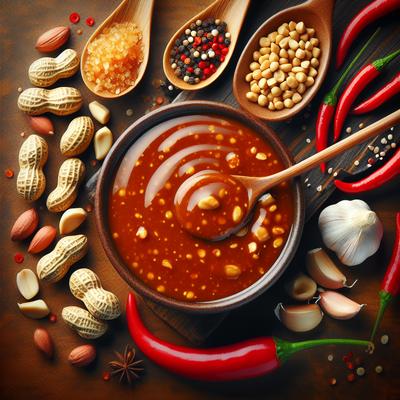
Elevate your meals with this creamy and flavorful Heart-Healthy Homemade Satay Sauce, a guilt-free twist on a classic favorite. Made with natural smooth peanut butter, reduced sodium soy sauce, and light coconut milk, this sauce is packed with rich, nutty goodness while keeping your sodium and saturated fat in check. Fresh lime juice and a drizzle of honey balance the flavors with a tangy sweetness, while minced garlic, grated ginger, and chili flakes add a bold punch of aromatics and spice. Perfectly prepared in just 10 minutes, this versatile sauce is ideal for dipping, drizzling, or marinating, offering a deliciously wholesome addition to your favorite dishes. Whether paired with grilled skewers, stir-fried veggies, or rice bowls, this heart-healthy satay sauce will become a staple in your kitchen.

Get More Healthy Recipes with SnapCalorie


Recipe Information
Ingredients
- 0.5 cup Natural smooth peanut butter
- 3 tablespoons Reduced sodium soy sauce
- 2 tablespoons Fresh lime juice
- 1 tablespoon Honey
- 2 cloves Garlic, minced
- 1 teaspoon Ginger, grated
- 0.5 teaspoon Chili flakes
- 0.5 cup Coconut milk (light)
- 0.25 cup Water
- 1 teaspoon Sesame oil
Instructions
In a small saucepan, add the natural smooth peanut butter and set over low heat.
Stir in the reduced sodium soy sauce, fresh lime juice, and honey until well combined.
Add the minced garlic and grated ginger, and stir for 1 minute to release their flavors.
Sprinkle in chili flakes to add a bit of heat, adjusting the amount to your taste.
Pour in the light coconut milk and water, stirring continuously to combine.
Simmer the mixture over low heat for 2-3 minutes, allowing it to thicken to your desired consistency.
Remove the saucepan from heat and stir in the sesame oil for added flavor.
Let the sauce cool slightly before serving. The sauce can be used immediately or stored in an airtight container in the refrigerator for up to a week.
Nutrition Facts
Calories |
992 | ||
|---|---|---|---|
% Daily Value* |
|||
| Total Fat | 79.0 g | 101% | |
| Saturated Fat | 16.1 g | 80% | |
| Polyunsaturated Fat | 5.9 g | ||
| Cholesterol | 0 mg | 0% | |
| Sodium | 1752 mg | 76% | |
| Total Carbohydrate | 49.5 g | 18% | |
| Dietary Fiber | 8.2 g | 29% | |
| Total Sugars | 26.4 g | ||
| Protein | 35.1 g | 70% | |
| Vitamin D | 0.0 mcg | 0% | |
| Calcium | 136 mg | 10% | |
| Iron | 4.1 mg | 23% | |
| Potassium | 1041 mg | 22% | |
*The % Daily Value tells you how much a nutrient in a serving of food contributes to a daily diet. 2,000 calories a day is used for general nutrition advice.


