Healthy Kale Chips
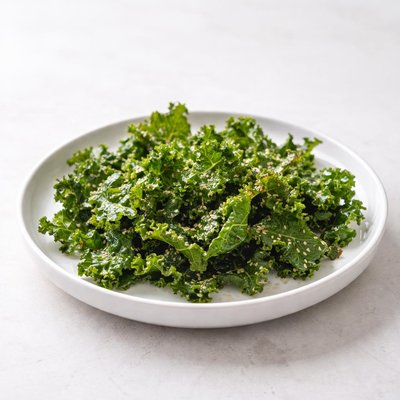
Transform your snack cravings into a guilt-free delight with these Healthy Kale Chips! Made with just a handful of wholesome ingredients, including fresh kale, olive oil, and a sprinkle of garlic powder and paprika for a smoky kick, this recipe offers a savory crunch that’s irresistibly good. These nutrient-packed chips are baked to crispy perfection in just 15 minutes, making them the ultimate quick and easy snack. Perfectly seasoned and naturally low-carb, they’re a fantastic alternative to traditional potato chips and are ideal for clean eating or ketogenic diets. Whether you enjoy them as a midday bite or a side dish, these kale chips are sure to become your go-to healthy snack.

Smart Nutrition Tracking with SnapCalorie







Recipe Information
Ingredients
- 200 grams kale
- 2 tablespoons olive oil
- 0.5 teaspoons salt
- 0.25 teaspoons garlic powder
- 0.25 teaspoons paprika
Instructions
Preheat your oven to 150°C (300°F) and line a baking sheet with parchment paper.
Thoroughly wash and dry the kale. Remove the tough stems and tear the leaves into bite-sized pieces.
In a large mixing bowl, toss the kale pieces with olive oil until they are evenly coated.
Sprinkle the salt, garlic powder, and paprika over the kale, and gently toss to distribute the seasonings evenly.
Spread the kale pieces in a single layer on the prepared baking sheet, making sure they do not overlap for even baking.
Bake in the preheated oven for 10-15 minutes, checking frequently after 10 minutes to ensure the edges do not burn. The chips should be crispy but not browned.
Remove the kale chips from the oven and let them cool for a few minutes. They will become crispier as they cool.
Serve immediately or store in an airtight container for up to two days to maintain crispiness.
Nutrition Facts
Calories |
82 | ||
|---|---|---|---|
% Daily Value* |
|||
| Total Fat | 7.5 g | 10% | |
| Saturated Fat | 1.1 g | 5% | |
| Polyunsaturated Fat | 0.3 g | ||
| Cholesterol | 0 mg | 0% | |
| Sodium | 269 mg | 12% | |
| Total Carbohydrate | 2.4 g | 1% | |
| Dietary Fiber | 2.1 g | 8% | |
| Total Sugars | 0.4 g | ||
| Protein | 1.5 g | 3% | |
| Vitamin D | 0.0 mcg | 0% | |
| Calcium | 129 mg | 10% | |
| Iron | 0.9 mg | 5% | |
| Potassium | 179 mg | 4% | |
*The % Daily Value tells you how much a nutrient in a serving of food contributes to a daily diet. 2,000 calories a day is used for general nutrition advice.


