Hazelnut Latte

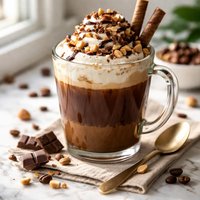
Elevate your coffee routine with this indulgent Hazelnut Latte recipe, featuring a harmonious blend of rich espresso, creamy frothed milk, and the sweet, nutty allure of hazelnut syrup. Perfect for cozy mornings or afternoon pick-me-ups, this homemade drink is crowned with a dollop of whipped cream and a sprinkle of crushed hazelnuts for a luxurious touch. Ready in just 10 minutes, this recipe combines simplicity and decadence, making it ideal for coffee lovers looking to recreate café-quality beverages at home. Whether you're treating yourself or impressing guests, this Hazelnut Latte is sure to delight with its velvety texture and irresistible flavor.

Smart Nutrition Tracking with SnapCalorie



Recipe Information
Ingredients
- 2 shots espresso
- 1 tablespoon hazelnut syrup
- 240 milliliters whole milk
- 2 tablespoons whipped cream
- 1 teaspoon crushed hazelnuts
Instructions
Brew 2 shots of espresso using an espresso machine or an alternative brewing method if desired.
In a small saucepan, heat 240 milliliters of whole milk over medium heat until it is hot but not boiling, about 3-4 minutes.
Once the milk is hot, froth it using a milk frother or by whisking vigorously until it becomes creamy and frothy.
In a large coffee mug, add 1 tablespoon of hazelnut syrup.
Pour the freshly brewed espresso into the mug with the hazelnut syrup and stir well to combine.
Slowly pour the frothed milk over the espresso and syrup mixture, holding back the foam with a spoon to pour the liquid first, then topping with foam.
Optionally, top the hazelnut latte with 2 tablespoons of whipped cream for extra richness.
Garnish with 1 teaspoon of crushed hazelnuts to add texture and enhance the nutty flavor.
Serve immediately and enjoy your homemade Hazelnut Latte!
Nutrition Facts
Calories |
251 | ||
|---|---|---|---|
% Daily Value* |
|||
| Total Fat | 13.1 g | 17% | |
| Saturated Fat | 7.4 g | 37% | |
| Polyunsaturated Fat | 0.0 g | ||
| Cholesterol | 35 mg | 12% | |
| Sodium | 122 mg | 5% | |
| Total Carbohydrate | 25.4 g | 9% | |
| Dietary Fiber | 0.3 g | 1% | |
| Total Sugars | 23.4 g | ||
| Protein | 9.0 g | 18% | |
| Vitamin D | 3.3 mcg | 16% | |
| Calcium | 293 mg | 23% | |
| Iron | 0.0 mg | 0% | |
| Potassium | 451 mg | 10% | |
*The % Daily Value tells you how much a nutrient in a serving of food contributes to a daily diet. 2,000 calories a day is used for general nutrition advice.


