Green Window Cleaner That Costs Pennies
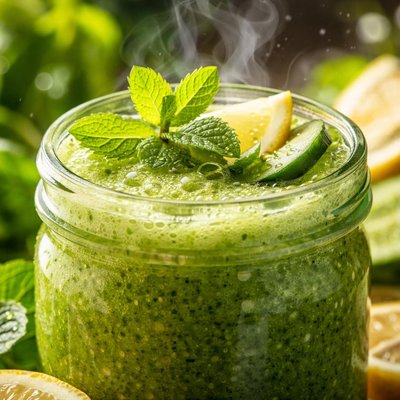
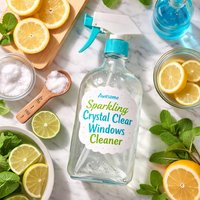
Transform your glass-cleaning routine with this eco-friendly, budget-savvy recipe for 'Green Window Cleaner That Costs Pennies.' Crafted with simple, everyday ingredients like white vinegar, distilled water, and rubbing alcohol, this DIY solution delivers a sparkling, streak-free shine to windows and glass surfaces without harsh chemicals. A touch of cornstarch enhances its cleaning power, while optional drops of essential oil infuse a gentle, natural fragrance to offset the vinegar smell. Ready in just five minutes, this non-toxic, sustainable cleaner is not only effective but also incredibly affordable, making it a must-have for green cleaning enthusiasts. Say goodbye to store-bought cleaners and hello to a greener, cleaner home!

Smart Nutrition Tracking with SnapCalorie

Recipe Information
Ingredients
- 1 cup White vinegar
- 1 cup Distilled water
- 1 cup Rubbing alcohol (70% isopropyl or higher)
- 1 tablespoon Cornstarch
- 10 drops Essential oil (optional - for fragrance, e.g., lavender, lemon, or tea tree)
Instructions
1. In a clean and empty spray bottle (16-ounce capacity or larger), combine 1 cup of white vinegar, 1 cup of distilled water, and 1 cup of rubbing alcohol.
2. Add 1 tablespoon of cornstarch to the bottle. This helps ensure a streak-free finish on your windows and glass surfaces.
3. If desired, add 10 drops of your favorite essential oil for a pleasant, natural fragrance. This step is optional but recommended to offset the vinegar smell.
4. Close the spray bottle tightly and shake well to combine all ingredients. Ensure the cornstarch is fully dissolved and the mixture is consistent.
5. To use, spray the solution onto windows, mirrors, or glass surfaces, and wipe clean with a lint-free cloth or newspaper for a sparkling finish.
6. Shake the bottle well before each use, as the cornstarch may settle over time.
Nutrition Facts
Calories |
2 | ||
|---|---|---|---|
% Daily Value* |
|||
| Total Fat | 0.0 g | 0% | |
| Saturated Fat | 0.0 g | 0% | |
| Polyunsaturated Fat | 0.0 g | ||
| Cholesterol | 0 mg | 0% | |
| Sodium | 0 mg | 0% | |
| Total Carbohydrate | 0.5 g | 0% | |
| Dietary Fiber | 0.0 g | 0% | |
| Total Sugars | 0.0 g | ||
| Protein | 0.0 g | 0% | |
| Vitamin D | 0.0 mcg | 0% | |
| Calcium | 1 mg | 0% | |
| Iron | 0.0 mg | 0% | |
| Potassium | 2 mg | 0% | |
*The % Daily Value tells you how much a nutrient in a serving of food contributes to a daily diet. 2,000 calories a day is used for general nutrition advice.


