Grape Wine
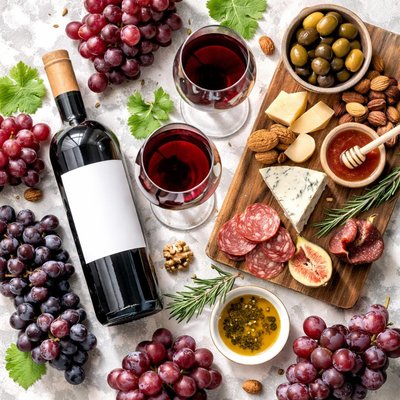
Master the art of homemade winemaking with this Grape Wine recipe, a delightful blend of ripe red or black grapes, aromatic spices like cinnamon and cloves, and a touch of citrusy brightness from fresh lemon juice. With just a few simple ingredients—grapes, sugar, filtered water, and wine yeast—this recipe transforms into an elegant, full-bodied wine through a careful fermentation process. Perfect for both beginners and seasoned enthusiasts, this recipe emphasizes flavor depth, achieved by fermenting with grape skins, seeds, and warm spices for a nuanced character. Whether served chilled or at room temperature, this DIY grape wine offers a rich, handcrafted taste that’s perfect for special occasions or relaxing evenings. Explore the joy of winemaking and savor a homemade bottle that’s as unique as your personal touch!
Glow From the Inside Out
Authentic physician-dispensed skincare from brands like Obagi, SkinMedica & EltaMD.
Trusted by dermatologists, loved by your skin


Recipe Information
Ingredients
- 2.5 kg Fresh red or black grapes
- 1.25 kg Granulated sugar
- 1 l Filtered water
- 5 g Wine yeast or baker's yeast
- 1 large Lemon
- 1 piece Cinnamon stick
- 3 pieces Whole cloves
Instructions
Step 1: Wash and de-stem the grapes thoroughly to remove any dirt or debris.
Step 2: In a large, clean, and sanitized container or fermentation jar, crush the grapes using your hands or a potato masher to release their juice. Leave the skins and seeds in the mixture for fermentation.
Step 3: Add the granulated sugar and filtered water to the crushed grapes. Stir well until most of the sugar is dissolved.
Step 4: Squeeze the juice of one lemon into the mixture. Add the cinnamon stick and whole cloves for flavor.
Step 5: Dissolve the wine yeast in a small amount of lukewarm water (approximately 35-40°C) and let it sit for 5-10 minutes until foamy. Stir the yeast mixture into the grape mixture.
Step 6: Cover the fermentation container or jar with a clean cloth or a loose-fitting lid to allow airflow and prevent contamination. Place the container in a cool, dark place (20-25°C).
Step 7: Stir the mixture once daily for the first week to prevent spoilage and ensure even fermentation.
Step 8: After 7-10 days, strain the mixture through a fine mesh or cheesecloth into another sanitized container to remove solids (grape skins, seeds, spices). Discard the solids.
Step 9: Seal the new fermentation container with an airlock or a tight-fitting lid to allow controlled fermentation. Store it in a cool, dark place for 3-4 weeks to allow fermentation to complete.
Step 10: Once fermentation is complete, carefully siphon the clear liquid into sterilized bottles using a siphoning tube, leaving any sediment behind.
Step 11: Seal the bottles tightly and age the wine for at least 1-3 months in a cool, dark place for better flavor development.
Step 12: Serve chilled or at room temperature. Enjoy your homemade grape wine responsibly!
Nutrition Facts
Calories |
678 | ||
|---|---|---|---|
% Daily Value* |
|||
| Total Fat | 0.5 g | 1% | |
| Saturated Fat | 0.0 g | 0% | |
| Polyunsaturated Fat | 0.0 g | ||
| Cholesterol | 0 mg | 0% | |
| Sodium | 6 mg | 0% | |
| Total Carbohydrate | 171.9 g | 63% | |
| Dietary Fiber | 2.9 g | 10% | |
| Total Sugars | 164.1 g | ||
| Protein | 2.0 g | 4% | |
| Vitamin D | 0.0 mcg | 0% | |
| Calcium | 32 mg | 2% | |
| Iron | 1.0 mg | 5% | |
| Potassium | 504 mg | 11% | |
*The % Daily Value tells you how much a nutrient in a serving of food contributes to a daily diet. 2,000 calories a day is used for general nutrition advice.



