Festive Tuna Pate

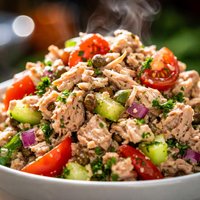
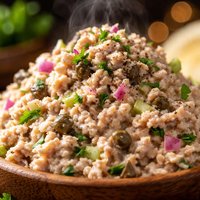
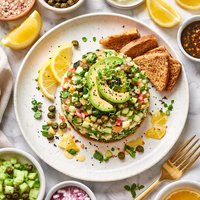
Elevate your holiday gatherings and dinner parties with this rich and creamy Festive Tuna Pate. Made with canned tuna in olive oil, softened cream cheese, and a touch of salted butter, this luxurious spread is brightened with zesty lemon juice and infused with savory capers, Dijon mustard, and fresh parsley. Requiring only 15 minutes of prep, this no-cook appetizer is quick, elegant, and perfect for entertaining. Serve it chilled with crackers, toasted bread, or crisp vegetable sticks for a dish that’s both flavorful and crowd-pleasing. Ideal for Christmas, New Year’s, or any special occasion, this tuna pate is sure to be the centerpiece of your appetizer table.

Smart Nutrition Tracking with SnapCalorie

Explore More

Recipe Information
Ingredients
- 200 grams canned tuna in olive oil (drained)
- 150 grams cream cheese (softened)
- 50 grams salted butter (softened)
- 2 tablespoons lemon juice
- 1 tablespoon capers (rinsed and chopped)
- 1 tablespoon parsley (finely chopped)
- 1 teaspoon Dijon mustard
- 0.5 teaspoon ground black pepper
- crackers or toasted bread (for serving)
Instructions
Drain the canned tuna thoroughly to remove excess liquid.
In a large mixing bowl, combine the drained tuna, softened cream cheese, and softened butter using a fork or spatula until the mixture is smooth and well combined.
Add the lemon juice, chopped capers, chopped parsley, Dijon mustard, and ground black pepper to the bowl. Mix well to incorporate all the ingredients evenly.
Taste the pate and adjust seasoning if necessary, adding more lemon juice or black pepper as desired.
Transfer the tuna pate to a serving bowl or mold. If you’re using a mold, press the mixture firmly into it, then cover with plastic wrap and chill in the refrigerator for at least 1 hour to allow the flavors to meld.
Serve the festive tuna pate chilled, accompanied by crackers, toasted bread, or fresh vegetable sticks.
Nutrition Facts
Calories |
231 | ||
|---|---|---|---|
% Daily Value* |
|||
| Total Fat | 18.9 g | 24% | |
| Saturated Fat | 10.3 g | 52% | |
| Polyunsaturated Fat | 0.0 g | ||
| Cholesterol | 63 mg | 21% | |
| Sodium | 307 mg | 13% | |
| Total Carbohydrate | 3.7 g | 1% | |
| Dietary Fiber | 0.2 g | 1% | |
| Total Sugars | 1.2 g | ||
| Protein | 11.7 g | 23% | |
| Vitamin D | 0.5 mcg | 2% | |
| Calcium | 35 mg | 3% | |
| Iron | 0.7 mg | 4% | |
| Potassium | 120 mg | 3% | |
*The % Daily Value tells you how much a nutrient in a serving of food contributes to a daily diet. 2,000 calories a day is used for general nutrition advice.


